Forever, Home: April H.

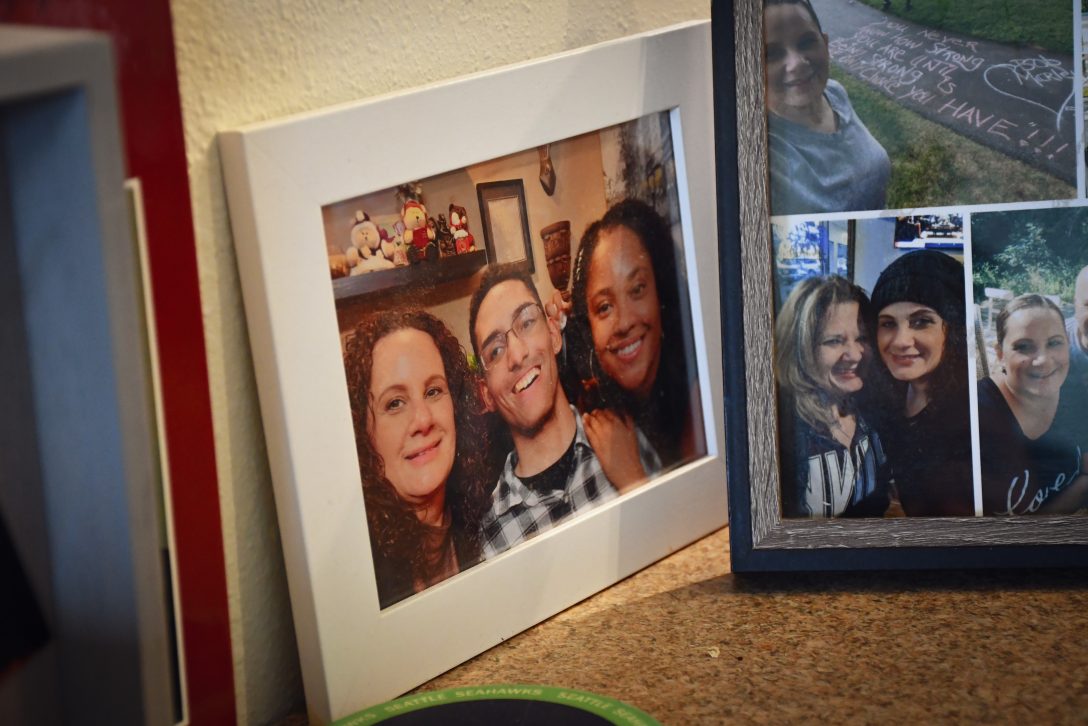
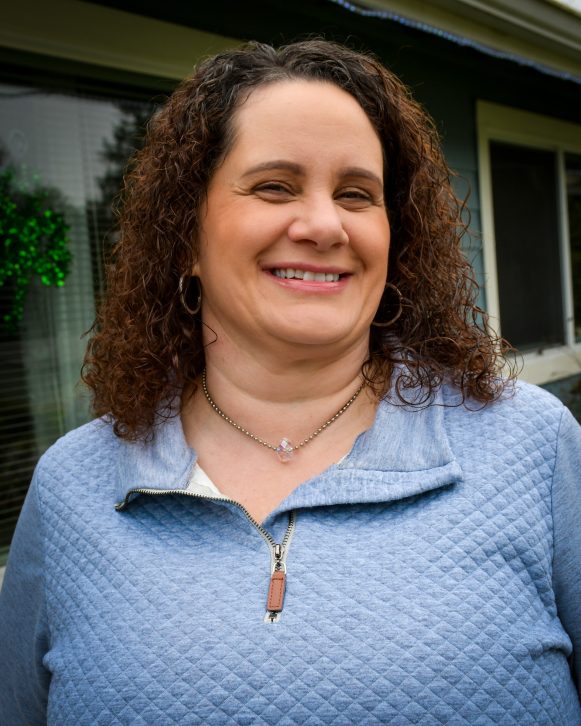
April H. remembers looking at her house before its complete remodel and couldn’t imagine how it would ever be accessible for her family. April’s two sons, Marschae and DaShaun, have Cerebral Palsy, with DaShaun being the most impacted and using a wheelchair for mobility. Habitat staff and volunteers took down walls, converted the garage into a bedroom with an en suite bathroom, with a built-in ceiling lift to hoist DaShaun from his bed into his wheelchair. They widened the doorway, kitchen, and hallways so that the entire house would be wheelchair accessible. After the remodel was finished in the fall of 2013, for the first time in DaShaun’s life, he was able to move throughout his entire home by himself.  
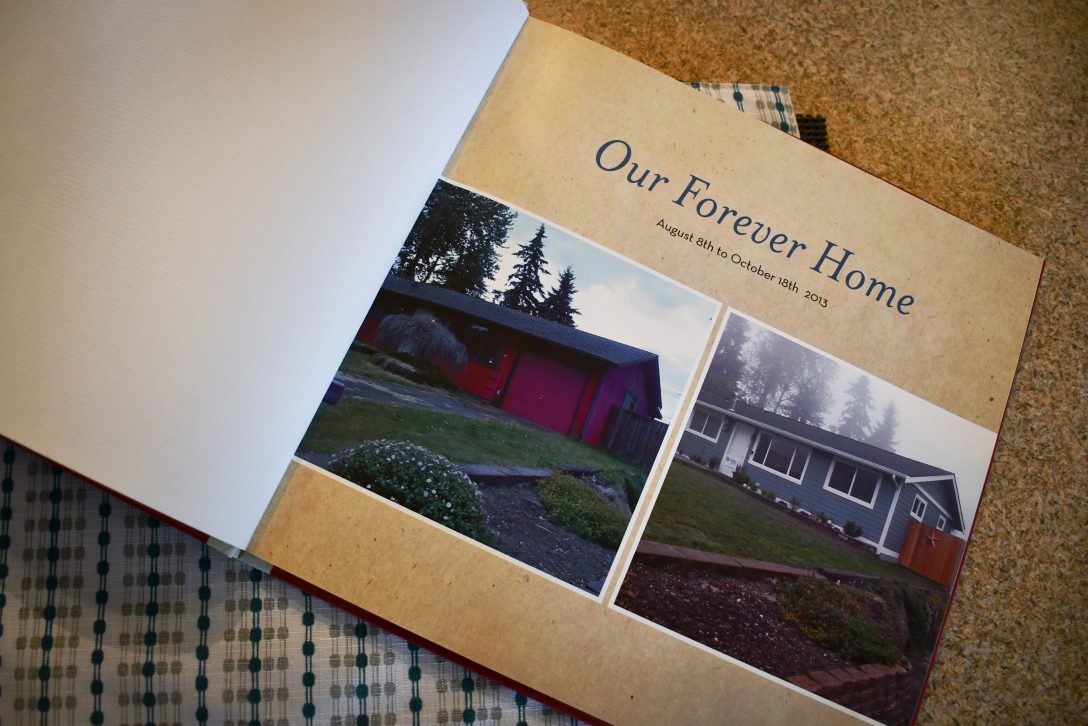
Previously, April, her three children, and their father lived together in a house for 13 years. After they separated and her daughter Brittany, who was accepted to the University of Washington, moved out, it was just April and the twins remaining at home. She couldn’t afford to keep the house, so she and the boys moved into an apartment. It didn’t have a walk-in shower like the apartment that she had originally been shown, so she had to lift DaShaun out of his wheelchair and into a shower chair in the bathtub. This was difficult for them both. But a month later she heard back from Habitat about her application and a home that Habitat had purchased for resale, and then things moved quickly after that.   

When April first moved in, she drove a school bus for the Federal Way School District, then she worked at Head Start. Now she works at a non-profit early intervention child development program. She feels that Head Start’s programs would have been helpful when her boys were young. Instead, she had to drive to Kent for their special care.   

For April, the difference between owning and renting, other than the affordability, has been, “the structure of the house, its accessibility for DaShaun. I have friends in the neighborhood; we do a two-mile walk together. It is familiar to me; it feels safe.” 

April has always been involved in the Federal Way community, through work, church, kids’ sports, schools, and service agencies so that didn’t change when she was selected for her new home. The entire community pitched in to volunteer and help build, from church members to fellow Federal Way bus drivers. 

She gratefully reflects, “I would see somebody who volunteered on my house at the store. I am friends with a lady at church whose husband put in the shower, before we even knew who each other was. A lot of my bus driver friends were here. All these people!”    

From the beginning, homeownership positively impacted the boys’ education. They attended Decatur High School, a nearby neighborhood school that offered better programs and inclusive classes, which DaShaun particularly enjoyed. April adds, “Being stable and having a home allowed them to attend the same school consistently, which was beneficial.”   

April is now the only one living in the home, where she has a small office adjacent to the bedroom that serves as her home office. The boys, now in their late twenties, are both thriving young adults who live together. April is only 20 minutes away, and she now has peace of mind knowing that her sons are in a home that meets all their needs: A safe, welcoming, and well-maintained space where they can grow, pursue their goals, and support each other. 
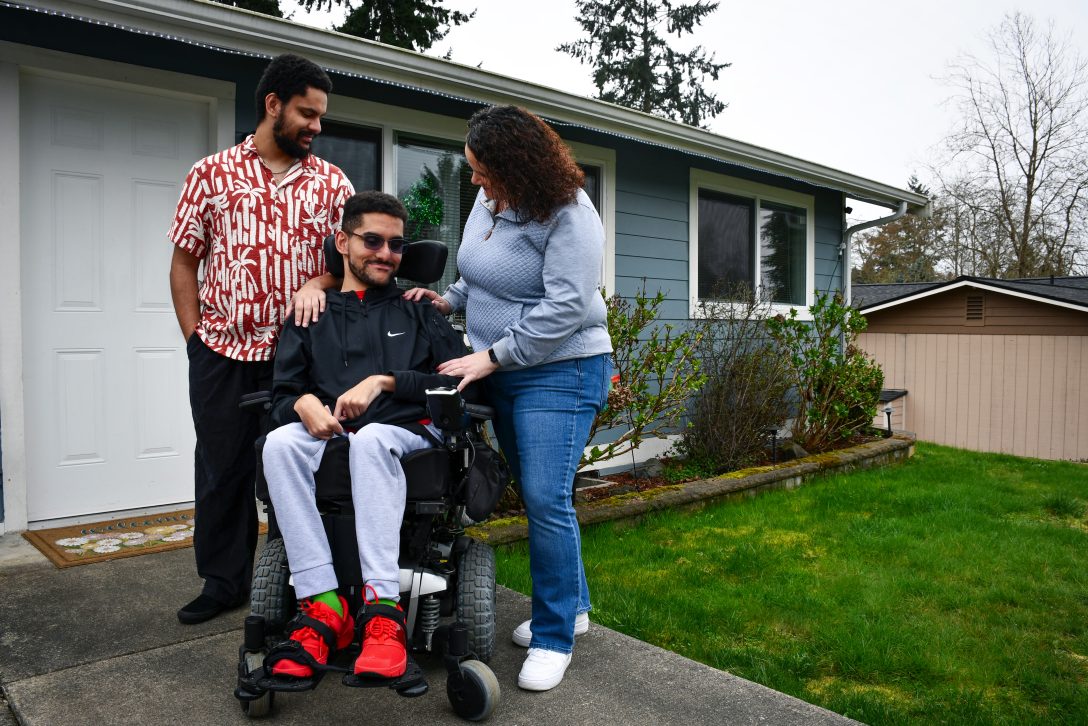
For April, it is deeply comforting to see them settled in a place that provides stability, security, and independence, knowing that the home she helped provide continues to nurture them and their future. She explains her plans, “The goal is to pay this house off and then DaShaun is going to move in here. Hopefully with a wonderful caregiver or somebody, a housemate or his brother possibly.” 

She would like to build a carport in the front for the van so transferring DaShaun would not put him outside in the elements. When he has the house, she plans to hire someone to help with the yardwork because she would hate to see it become neglected.  

The future is easier to imagine now that her children have all graduated high school and established their careers and lives. Her forever home will remain in the family and continue to provide much-needed stability for her children. When she first moved in, April shared a sentiment that holds true today: “This is a bright beginning for us, and we see no darkness ahead.” 
Forever, Home: Asha D.

Every home has a story, and as Habitat SKKC celebrates our 40th anniversary in 2026, we’re excited to share the stories that have shaped the past four decades. Throughout the year, we’ll be highlighting legacy family stories from across our history — stories of partnership, resilience, and hope that remind us why this work matters. 

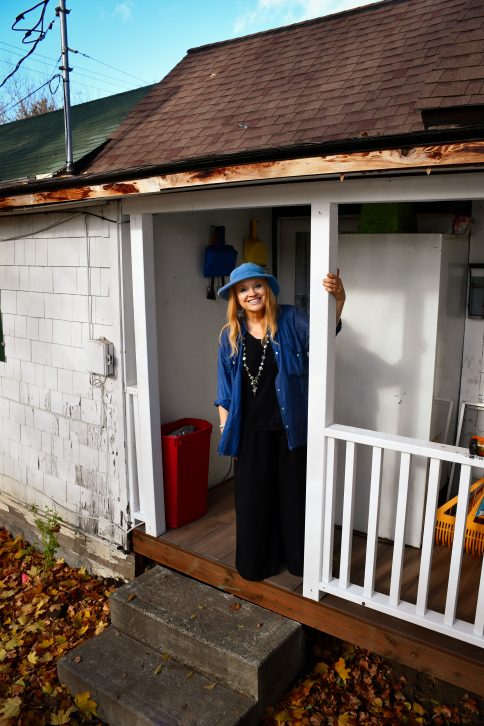
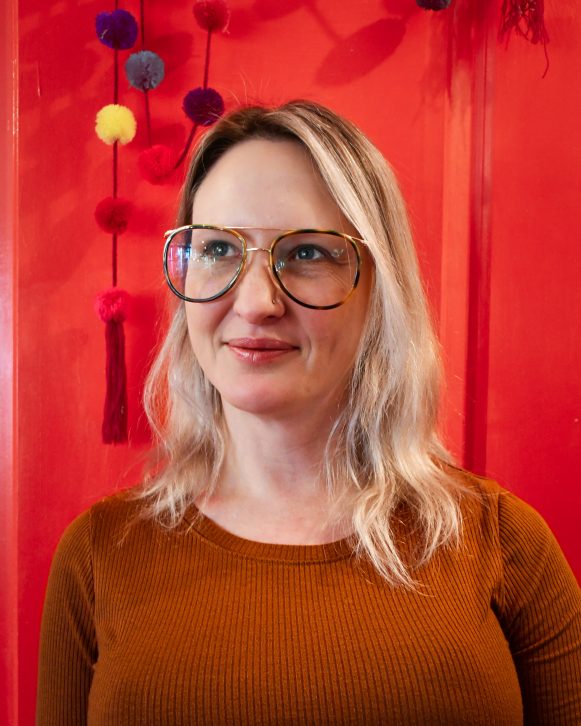
Asha D. is a creative and curious artist and mother of Leisl, Margot, and Francis. She grew up in the Florida panhandle and spent many years traveling the country with her three children to find the region that felt most like home. She found it in Washington state in 2017, and since putting down roots here has become engaged in the local theater and arts community. 

When Asha discovered that Margot needed speech-language therapy as a baby and toddler, her daughter’s journey inspired Asha to become a speech-language pathologist. After graduating with a master’s degree in 2017, Asha began working in the public schools in King County. Asha finds a lot of joy in her work, thanks in no small part to the amazing kids she serves. “I love the weird stuff they come up with (plus, of course, it’s rewarding to see them grow and all that). But they really do have the best jokes,” she adds. 

When she first moved her kids up to the Seattle area, she found an affordable two-bedroom house in Lynnwood that had not been updated since at least the mid-1980s. Sometimes, the dishwasher malfunctioned spectacularly, spewing water two feet into the air. Once, while hanging Christmas lights on the back deck, her foot softly fell through the boards of the porch. The house had no A/C, terrible ventilation in the summer, and a disappointing heater—but it backed onto a sweet little park. 

Everyone who visited told her the house was so nice, and Asha did love it. Trying to keep things in perspective, Asha reminded herself that if she maintained a house like that back in Florida, it would be invaded with bugs and mold within a couple of months. This is one reason she loves the Pacific Northwest. She adored their quirky little house, but it was a rental, and the price kept going up. She feared she would have to leave the community she had just started to connect with, priced out by 2020. 

Asha first learned about Habitat for Humanity when she moved to Seattle, as she had volunteered with another Habitat affiliate in Portland. She signed up for the email newsletter, and when the house she now lives in appeared, she applied on a whim. She ended up closing  on her home within three months. A few weeks later, the COVID-19 pandemic shut the world down.  

— 

The family moved into their Habitat home in June of 2020, a “pretty quiet but super weird year.” Her home quickly morphed, becoming both the kids’ school and her workplace. Asha tried to help them with schoolwork while also working full time.  

Because she didn’t have to commute that year, she tackled many home projects. YouTube taught her how to change out ceiling lights and install wallpaper in the bathroom. That DIY project helped turn the room into her favorite in the house. The bathroom features four different styles of toile wallpaper, including one depicting Greek gods and another a French countryside, and a hand-painted sink from Mexico. It’s a tiny room, but it’s pretty and 100% hers. Asha also painted the house and really rooted down, making it a home. 

Not much surprised Asha about homeownership, which she attributes to being a “bit of a research nut.” She watched a ton of videos leading up to buying the home and even has a savings account specifically for appliances. She knows she’ll have to replace things eventually. But coming from a place where hurricanes tore the city apart every year, she considers replacing a water heater a privilege in comparison—and far less expensive than replacing a roof. 

Maintaining a comfortable home for her family is a central priority for her. Asha jokes, “I like to pretend that my most prolific hobby is cleaning my house—because if I tell myself it’s a hobby, then the fact that I spend so many hours doing it a week won’t make me feel like I’m wasting the crucial moments of my life that I could be spending with my kids or engaging in creative work on yet another set of dishes.”  

She is selling herself short. When not working, parenting, or keeping up her house, Asha is also a writer and journalist. She loves all the amazing people she has had the opportunity to meet and work with over the years. She believes there are so many ways of being in this world, and through her reporting, she can connect and learn about the ways different folks think and live their lives. She also volunteers at her kids’ schools and has recently taken up roller skating. She adds, “I’m an actual disaster on wheels. But it’s loads of fun to meet up with my local friends and zoom around (incredibly slowly) on Pride Night.” 

— 

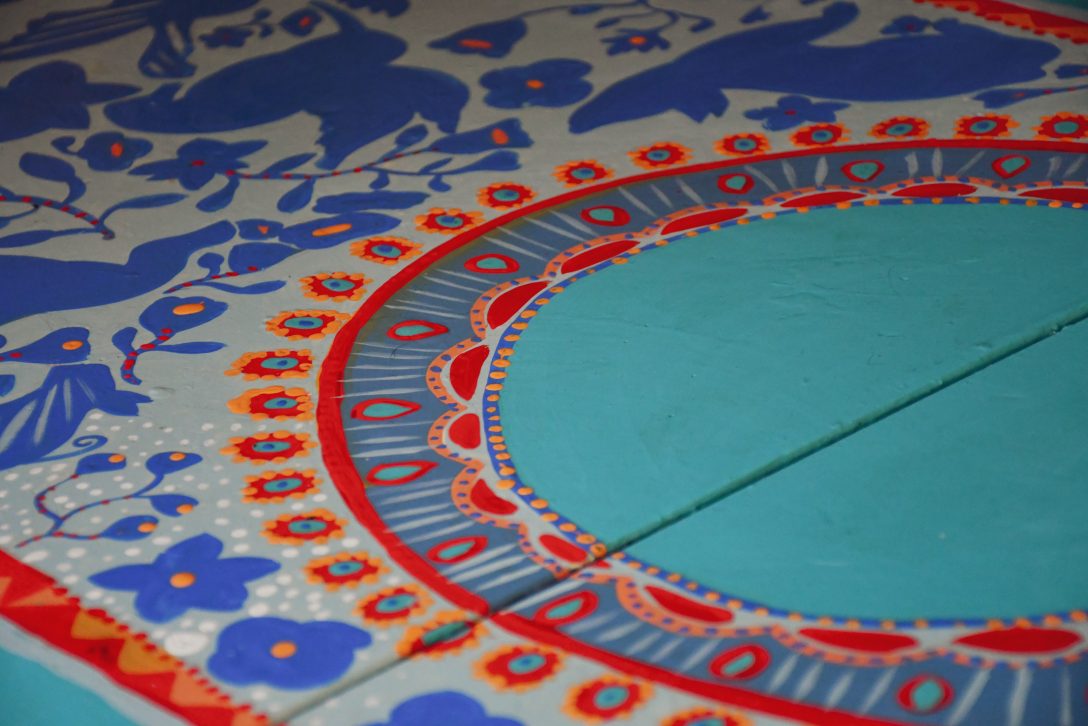
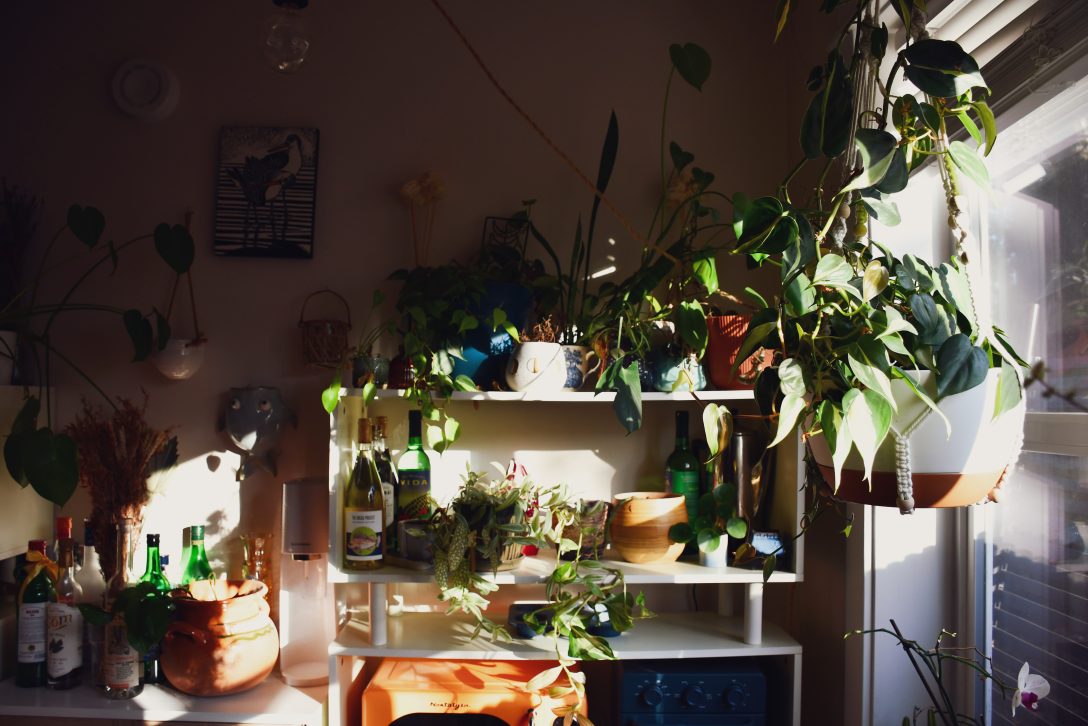
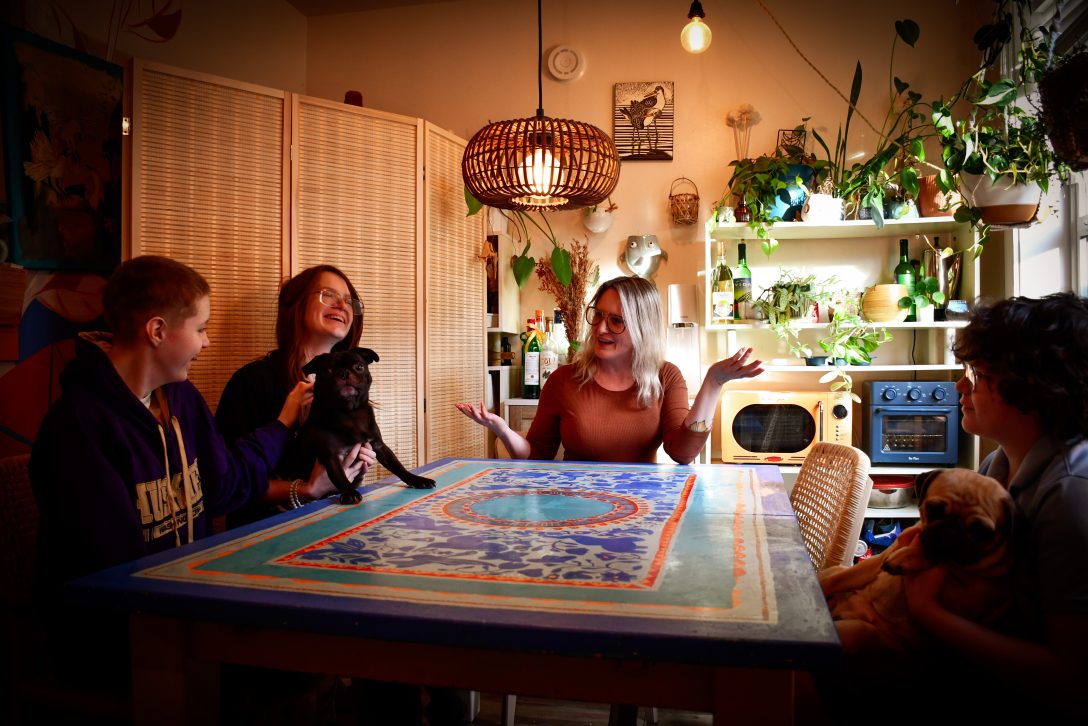
The dining room is the center of their house. One of her other COVID projects was painting a mural on the dining room table. On holidays, the family squeezes in and eats together, surrounded by the vines and monstera she has managed to keep alive. They’ve lived there for 5.5 years now, which is half of her youngest child’s life.  

Asha reflects, “It’s not a perfect house, but it’s the kind of togetherness that can only happen with roots. I love the idea that my kids will associate the place and the moments we’ve made there with home.” 

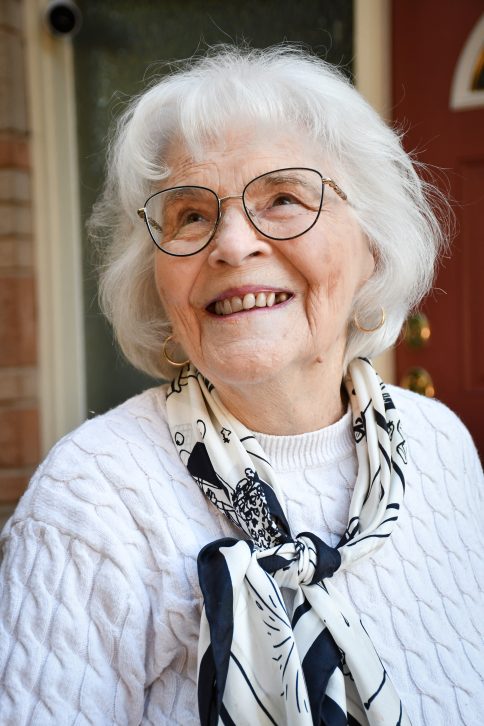
Gaining Independence Following Loss: Lois B.’s Repair Story 

Lois has lived in her Bothell home for about 56 years. She and her husband moved from the Midwest when he accepted a position as a professor at the University of Washington. Adjusting to the climate was difficult at first, but she eventually grew to love it. Lois worked in education after moving, teaching first and sixth grades, serving as a reading specialist, and later working in the central office on testing and research. 

In retirement, Lois spends time organizing and enjoys monthly lunches with her husband’s former students, which she describes as the highlight of her month. Living in Bothell, she values her community because her neighbors look out for her. She once stayed with a neighbor during a power outage so she wouldn’t be alone at home. 

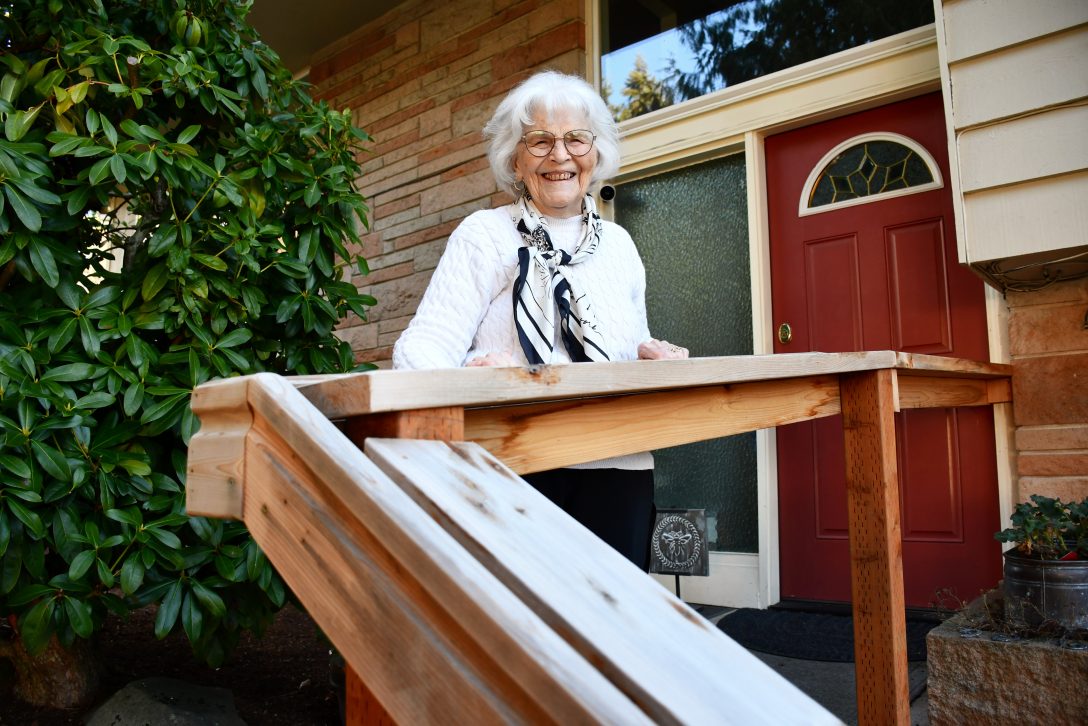
At ninety and widowed, Lois has difficulty walking up and down her front steps. In order to leave her home without assistance, she needed to exit through her garage. She explains, “There’s no way I could get down the stairs because Jack was gone and he always held my hand to take me down the stairs.” 

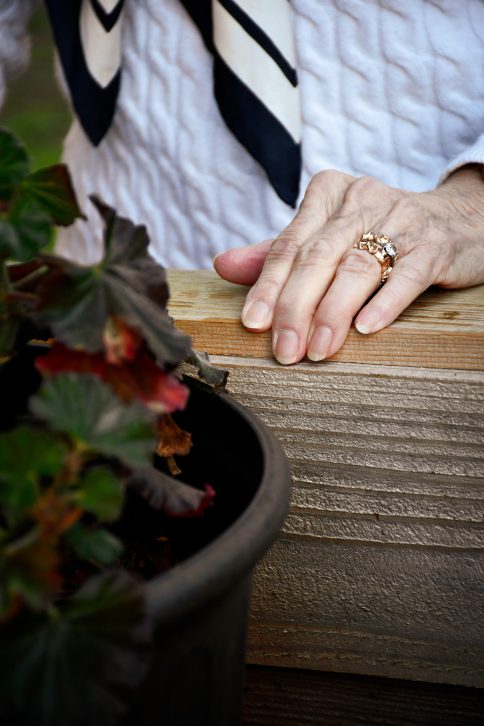
The Habitat SKKC repair team installed a railing and gave Lois newfound independence. The team also installed a lever in her bathtub because her hands couldn’t turn the knobs tightly enough. They also added a creative feature so she didn’t have to stoop down to tend her flowers: a flower box that extended from her stairs into the yard, making it easy for her to work at waist level. Her husband, who passed away a year and a half ago, loved red geraniums, so she continues the tradition of planting them in the yard.  

Lois learned about Habitat’s repair program through fire department volunteers who visited after her husband had several hospital stays. They referred her to Habitat because of her needs.  

Lois appreciates the repair team for being skilled, kind, and considerate, noting that they always arrived smiling and ready to work.  

Lois says gratefully of the work done on her home, “It’s life changing. I appreciate it so much. It gave me back my humanity.” 

Forever, Home: Joanne W.

Every home has a story, and as Habitat SKKC celebrates our 40th anniversary in 2026, we’re excited to share the stories that have shaped the past four decades. Throughout the year, we’ll be highlighting legacy family stories from across our history – stories of partnership, resilience, and hope that remind us why this work matters.

Joanne W. remembers the dinner from her first night in her Habitat home. After a long day of unpacking boxes, no furniture set up and no cutlery in sight, she and her three kids ate a simple meal from the taco truck at the end of the block. The food itself, quesadillas for the kids and a burrito for Joanne, was delicious, but what Joanne recalls most about the family’s first meal there was a feeling of peace and relief at finally being home.

Joanne’s life looks a lot different than it did when she moved into her three-bedroom home in Overlake in 2018, and much different than she would have imagined twenty years ago. The struggles and triumphs that she and her children have experienced led her to a place she now refers to as her “forever home.”  

Joanne grew up on Mercer Island and stayed local for higher education: a BA in business from the University of Washington and an MBA from Seattle University. She married, had a well-paying career in sales and marketing, moved to the Bay Area and back and eventually bought a house in Bellevue with her then husband. Her life shifted course when she was diagnosed with multiple sclerosis (MS) in her late twenties and even more so when her husband left her soon after their third child was born.

After the divorce, she and her kids moved into a rental home. After a number of years there, the house was falling apart: a leaking roof, no heat because the furnace broke, and black mold in the walls. The rental home was sold to a builder who was planning to tear it down and build a new house. The rent was about 90% of Joanne’s income and with her spousal support having ended, she could no longer afford to live there.

Right before they were forced to move out in 2017, her caseworker at the social services agency Hopelink, told her that even with her limited disability income she would probably qualify to purchase a home from Habitat for Humanity. They were homeless for nine months before moving into their Habitat home in 2018, sleeping in motels, crashing at their relatives’ homes, and even camping. 

“My kids’ anxiety was super high when we didn’t have stable housing, and maybe that was partially my fault. They could sense my anxiety over not knowing where I was going to live,” Joanne explains. 

Once the family settled in, Joanne noticed a change in her kids right away: “They were happy to have their own beds and their own place to call home. Having that stability was so important for them.”

Celebrating birthdays and holidays in their Habitat home was integral to returning to a sense of normalcy. The year before, when they were experiencing homelessness, they didn’t have a Christmas tree. They celebrated at Joanne’s sister’s house, but it wasn’t the same as previous holidays. During the first year in their new house, they celebrated Christmas at home with their gifts under the tree. This celebratory feeling extended to other holidays: Joanne’s children love Halloween and started decorating for it in August that year.  

During that memorable first year, the family adopted a dog, Daisy. They helped a family out that wasn’t able to keep Daisy in their apartment because dogs weren’t allowed. Joanne adds, “We were thrilled to offer Daisy a safe home full of love and relieved that we didn’t have to obey any landlord rules that said, ‘No Pets.’” 

In addition to the fun activities that came with homeownership, Joanne focused on some of the important work too: Knowing that her children’s disabilities might cause frustrations for her neighbors because they couldn’t follow rules easily, she immediately got involved in the HOA. She quickly became HOA president, a position she held for several years.  

— 

When they first moved into their home, her children filled it with chatter and activity. Now that her two oldest kids have moved out, she’s easing into the transition to a quieter home. Though she’s approaching an empty nest, the seven years she has spent in this home so far are filled with memories to keep her company even as her children leave one by one in search of their first homes.

Her oldest son, now 22, has cerebral palsy and autism. He is living in a group home that provides him with community and 24/7 care. It’s close enough that Joanne can visit him frequently. Her second son, age 20, now works at an Amazon warehouse and has moved into his first apartment in Seattle. Her youngest, a daughter, is at home and finishing high school. In 2025, she was one of only three kids in Bellevue awarded a scholarship from the city for a full ride to any public college in Washington. She wants to be a costume designer and plans to enroll at Lake Washington Technical College and eventually the Seattle Fashion Academy. 

After a transitional year in which her two sons moved out and her father passed away, Joanne can’t help but think of the future and what she’ll leave behind: “I want to pass this home to my daughter so she can have stable housing as well, and not have to go through what I went through. I was looking to buy a home when I was 25 and I could afford a home at that time with my job. Not today, unless you have a million dollars sitting in the bank. How do people afford a place to live? My hope for the future is to have security for my kids.” 

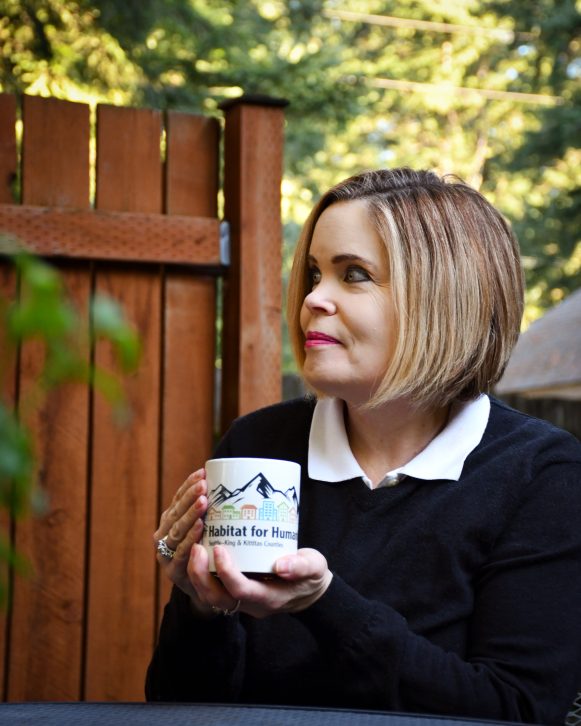
The past shaped Joanne into the woman she is today, and her kids’ future feels full of hope. Here in the now, Joanne is content to sit outside on her patio—her favorite place at home—and enjoy a cup of coffee in the morning. It’s a simple pleasure, but one that she enjoys fully. After years of hardship that tested her resiliency, everyday moments like a meal with her kids or a quiet moment to herself are well-deserved celebrations. 

Click below to watch Joanne featured in our 2019 Beyond the Build Luncheon video.

Restoring More Than a Porch: Ruthi’s Habitat Repair Story

Ruthi E. has worked as an English professor at Central Washington University for close to 40 years. The job brought her from her native Portland to Ellensburg, where she and her ex-husband bought a house that she jokingly refers to as a “hodgepodge of code violations.” 

In her spare time, Ruthi sings in the choir of the Ellensburg Methodist Church, where she has been a member for 30 years. She also gives back through volunteer work at the church’s clothing bank, where they accept and organize donations in a free clothing store that the church runs. She also volunteers with Central Washington Justice for our Neighbors, an organization that serves the local immigrant population. When not giving back to her community, Ruthi enjoys reading and maintains a weekly dinner with friends every Wednesday night. 

It was at one of these dinners that Ruthi’s friend mentioned Habitat SKKC’s repair program: “I have a friend who has her finger on the pulse of what’s going on in Ellensburg, and she told me about this program, and it sounded too good to be true. I’m so grateful to that friend that every time we meet on Wednesday night, I buy her dinner.” 

Ruthi and her ex-husband bought their home, a fixer-upper, in 1990. The original house was built around 1886, and the previous owners kept adding to it in the ’20s and ’30s. She explains, “It was in bad shape, but my ex-husband had been a contractor, so he fixed it up considerably and then built an addition. It’s an interesting, rambling little mess.” 

One of the features of her home in dire need of repair was the side porch, which was sagging and crumbling. “It looked absolutely horrible, and it was scuffed and squishy,” adds Ruthi.  

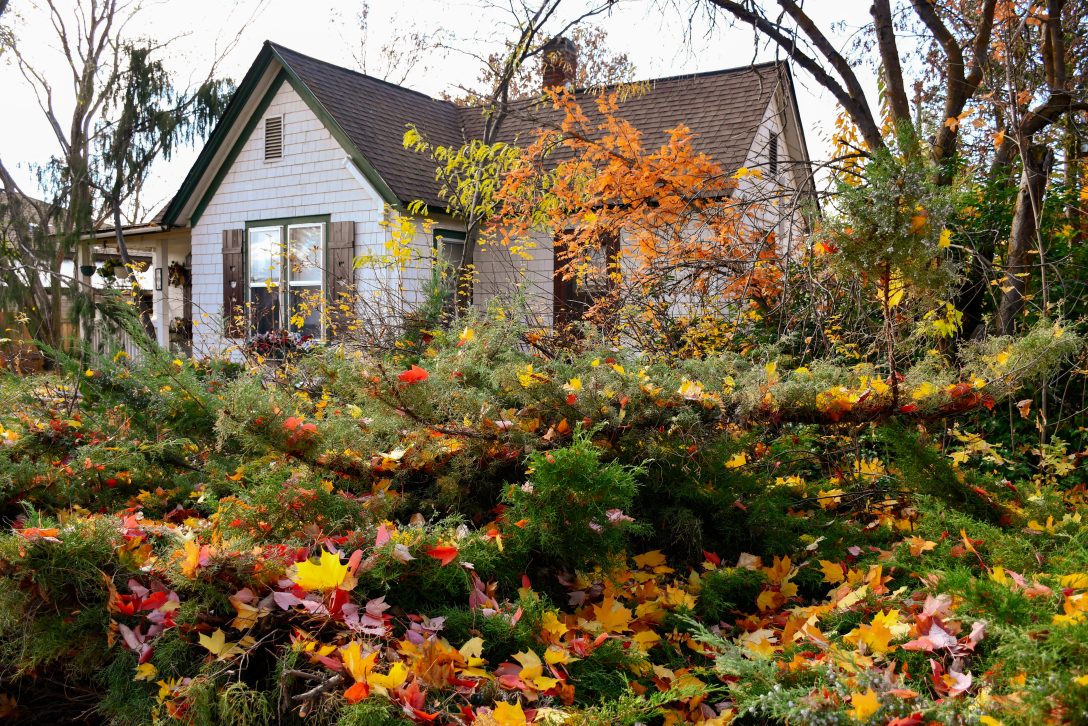
The wooden part of the deck that leads to the concrete steps “sagged like the Dickens” because it had been walked on for so many years and it wasn’t built very well to begin with. Habitat SKKC’s Repair Team rebuilt the whole porch in a week, including putting in foundations for it. The work didn’t stop there: We replaced an outdated and unsafe wall heater, fixed live wires hanging down in the attic, and brought in an arborist to clear out branches from the yard. 

“I can’t believe I got all this. That would have cost me a fortune. I couldn’t afford it in a million years,” Ruthi reflects with gratitude.

Ruthi is a grandmother and loves that her grandchildren live only a few blocks away. She refers to her eldest grandson Baxter as a “raccoon” because he is always scavenging and bringing items back to grandma’s house. “Every time he comes over, he wants to go to the Habitat Store,” she says. He has already laid claim to grandma’s porch, added a desk he found, and turned it into his workshop. Most recently, he built a potato cannon using a Pringles can. 

She is happy to share the space with him, especially now that it’s safe for everyone to walk on. The newly repaired porch gives them renewed access to an important part of the house, one where Ruthi can enjoy some quiet time outside and Baxter can work on his latest engineering projects.