Volunteer Spotlight: Brian and Renay C

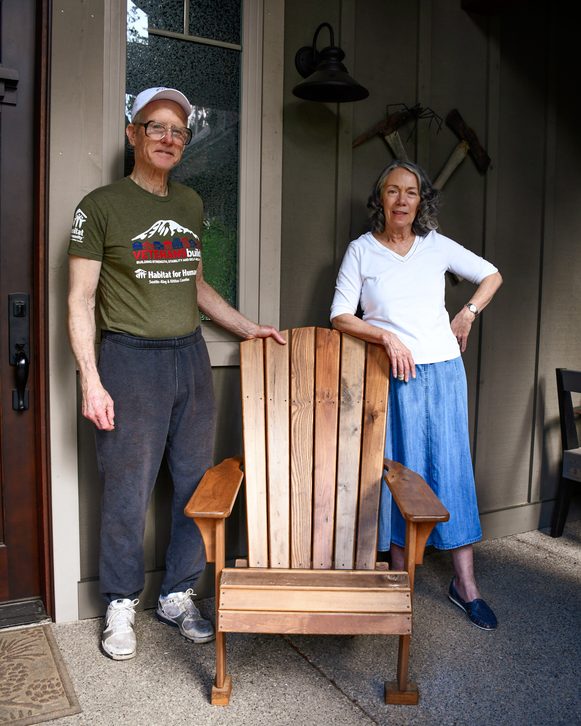
After retiring and moving to Suncadia in Roslyn, Brian and Renay noticed large amounts of valuable wood being discarded at local construction sites. Rummaging through bins together, they would often look at the wood and wonder why it was being thrown away. With a background in woodworking, they decided to do something about it.  

It was relatively easy to take the salvaged wood and create something useful from it, and that idea grew into making items such as coffee tables and Adirondack chairs that could help support Habitat SKKC. They had previously connected with Habitat staff at the Suncadia owners’ picnic. From there, they started working on the construction sites with the volunteer group Shock and Aww. While volunteering with Habitat, they developed many friendships with fellow volunteers, construction supervisors, and new homeowners. 

Using the funds raised from their woodworking felt like a natural next step in their support of Habitat’s mission. They began taking their creations to markets, where donations for the items raised funds for Habitat.  
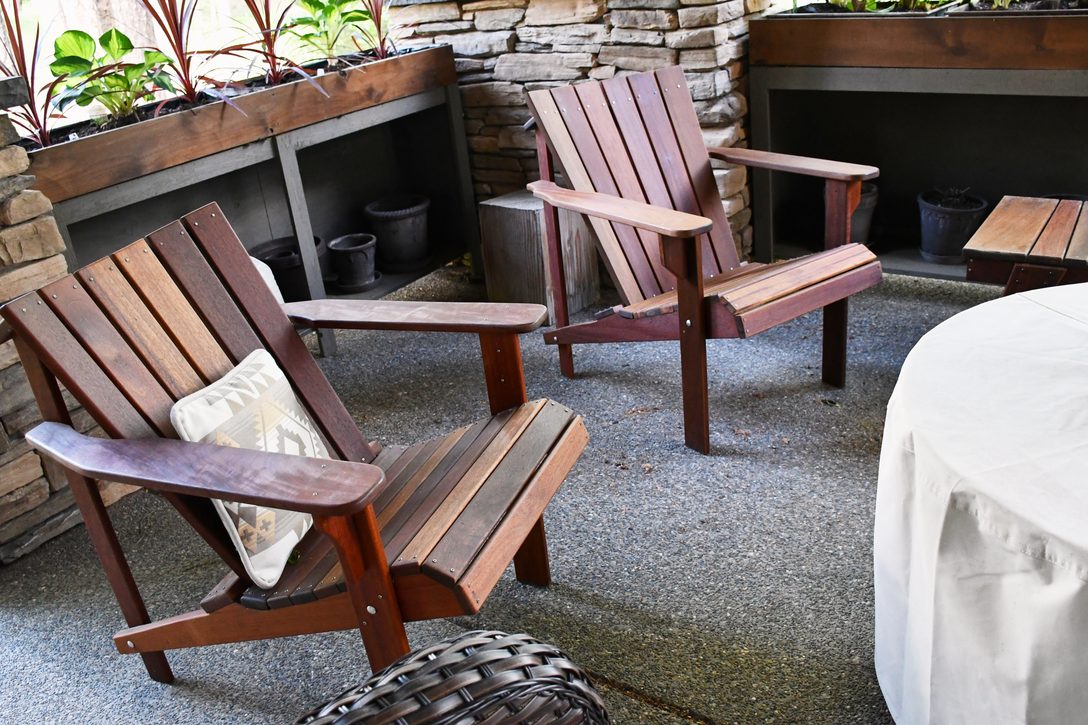
Over the years, they created a significant number of pieces. While production has slowed considerably because construction activity in the area has decreased and the supply of suitable wood is not what it once was, Brian estimates that he still produces about 20 pieces a year. During the years when high-quality wood was more plentiful, he made dozens of Adirondack chairs annually. In one particularly successful year, their efforts raised about $12,000 for Habitat. Altogether, they estimate that they have built close to 200 Adirondack chairs. 

Brian describes the inspiration behind their work as “Providence.” After retiring, he found himself with time on his hands, surrounded by wood that was being wasted. He disliked seeing useful materials thrown away and recognized an opportunity to support a mission he believed in. Briand and Renay started a drop site in the Suncadia Waste Yard in 2016 and have been managing it ever since. Every evening, they go out to the waste yard and pull usable lumber out of the dumpsters and place it on the drop site. For the couple, their efforts serve multiple purposes: It keeps discarded construction materials out of the waste stream, transforms those materials into something useful and enjoyable for others, and the funds raised from their creations support Habitat SKKC at the same time. 
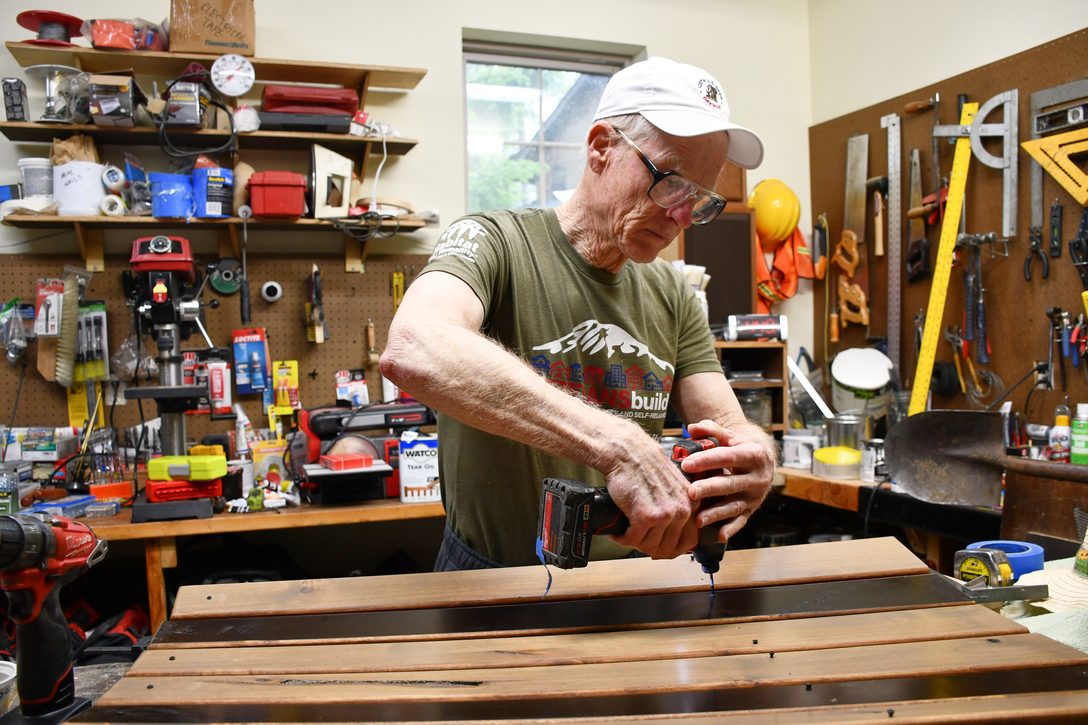
Reflecting on how they fit volunteering into their lives, Brian says, “We have time. And we like to spend it on activities with purpose and positive results.” 

As the availability of suitable wood continues to decline, they acknowledge that they are gradually winding down their output. Even so, they remain grateful for the experience. Supporting Habitat has given them purpose and a feeling that they are contributing positively to their community. 
Safe and Secure, at Long Last: Deana Z.’s Repair Story

Deana has lived through many challenges, but one of the most stressful was watching her home slowly deteriorate while she struggled to find help. An active leak in her roof allowed water to pour into her living room, and despite applying through a city program for low-income homeowners, months passed without a solution. Eventually, she learned that no contractor had accepted the job and her paperwork had been forwarded to Habitat SKKC.  

That referral changed everything. When Habitat became involved, Deana immediately felt supported. Habitat SKKC staff visited her home and assured her that the paperwork she had already completed would be sufficient.  

Like her struggles to find help with her home, Deana’s life is a history of resilience. Originally from Oklahoma, she worked as a sheet metal worker and was able to transfer her job to Washington when her mother was diagnosed with cancer. Deana and her children moved so she could spend time with her mother during her final weeks. Deana eventually settled in Federal Way and remained in the home she shared with her ex-husband, though after he left it became difficult to maintain. 

Deana is proud of her children and the lives they have built. Following Deana’s advice to pursue a trade, her daughter became an electrician, worked in the field for many years, and eventually became a teacher at the apprenticeship hall. Her son, after overcoming medical difficulties earlier in life, found stable employment in aircraft manufacturing and maintenance. Deana’s greatest hope was that her children would never have to endure the hardships she had faced. Both of her children are now married, and Deana is the proud grandmother of a four-year-old grandson. 

Now retired, caring for others remains central to Deana’s life. She looks after her 85-year-old aunt, who recently lost her husband, and she regularly assists a neighbor suffering from serious health issues. She adds, “I take care of people; it’s what I do.” 

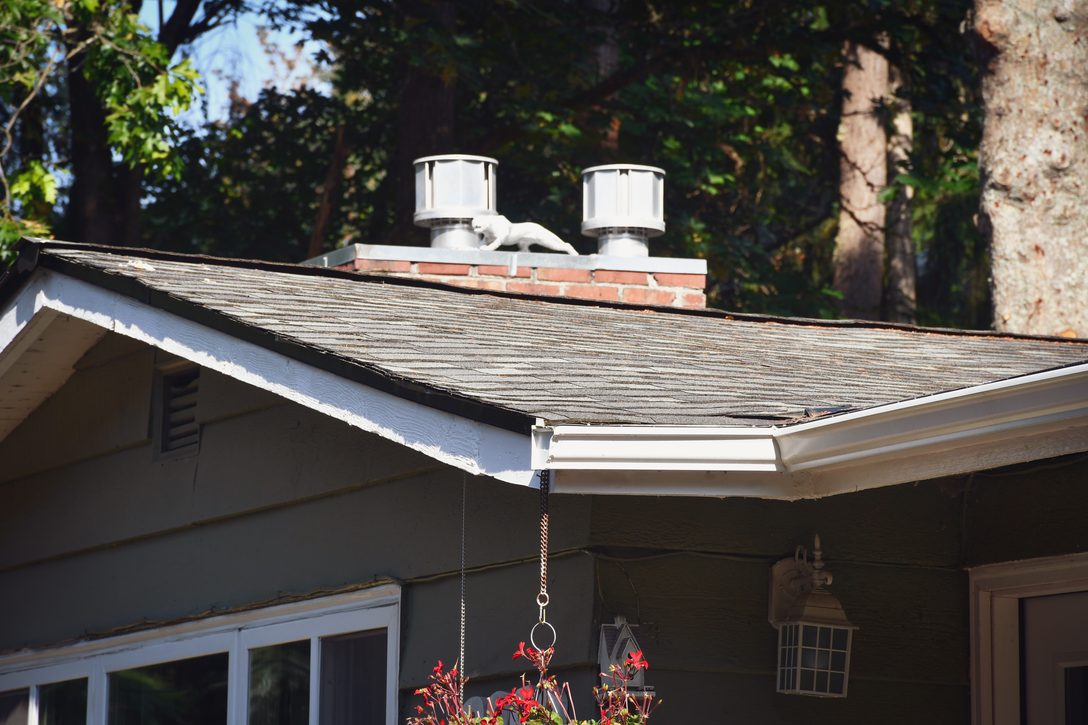
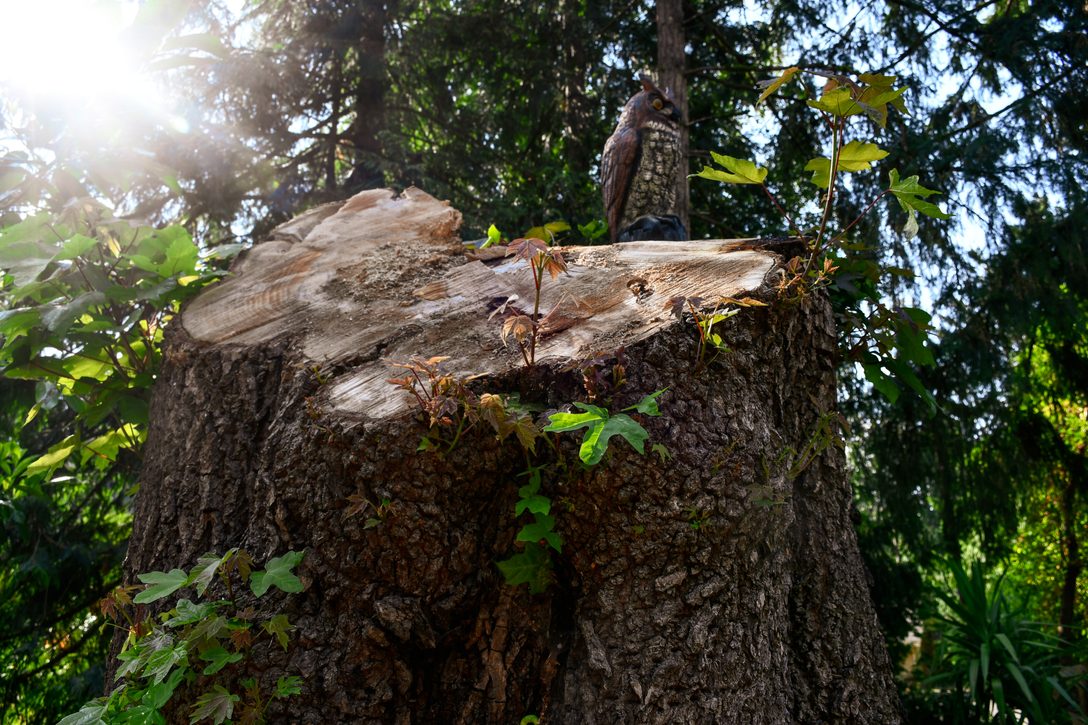
As a person who has devoted her life to caring for others, Deana was happy to feel cared for by the Habitat SKKC repair team. The roof replacement was completed in less than a week, a remarkable turnaround after a long period of uncertainty. In addition to replacing the roof, Habitat later helped remove two massive maple trees and trimmed another oak tree whose falling branches had been damaging her home. The trees stood nearly eighty feet tall, and Deana described them as “monsters” that constantly threatened her roof. Having them removed brought an enormous sense of relief. 

The repairs to her home have dramatically improved Deana’s sense of comfort and security. She explains, “I no longer have water leaking into my living room because of the roof they put on. And I no longer worry myself sick about limbs falling onto my roof because the tree has been taken down now. Habitat has been my salvation.” 

Forever, Home: Jackie B.

Every home has a story, and as Habitat SKKC celebrates our 40th anniversary in 2026, we’re excited to share the stories that have shaped the past four decades. Throughout the year, we’ll be highlighting legacy family stories from across our history — stories of partnership, resilience, and hope that remind us why this work matters.  

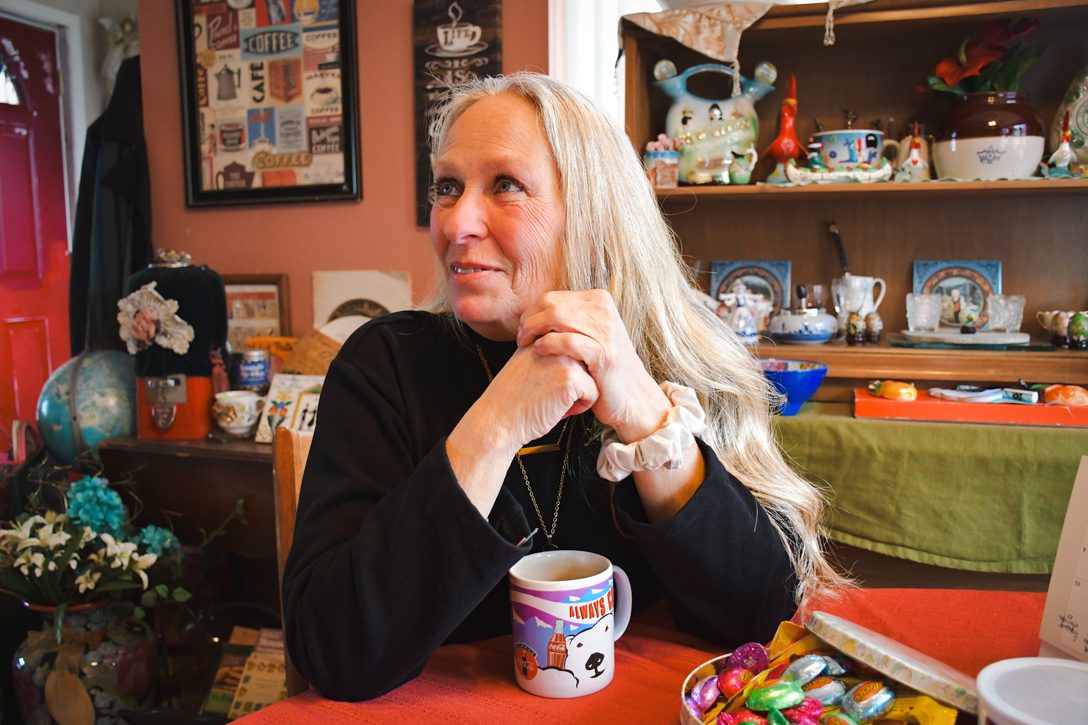
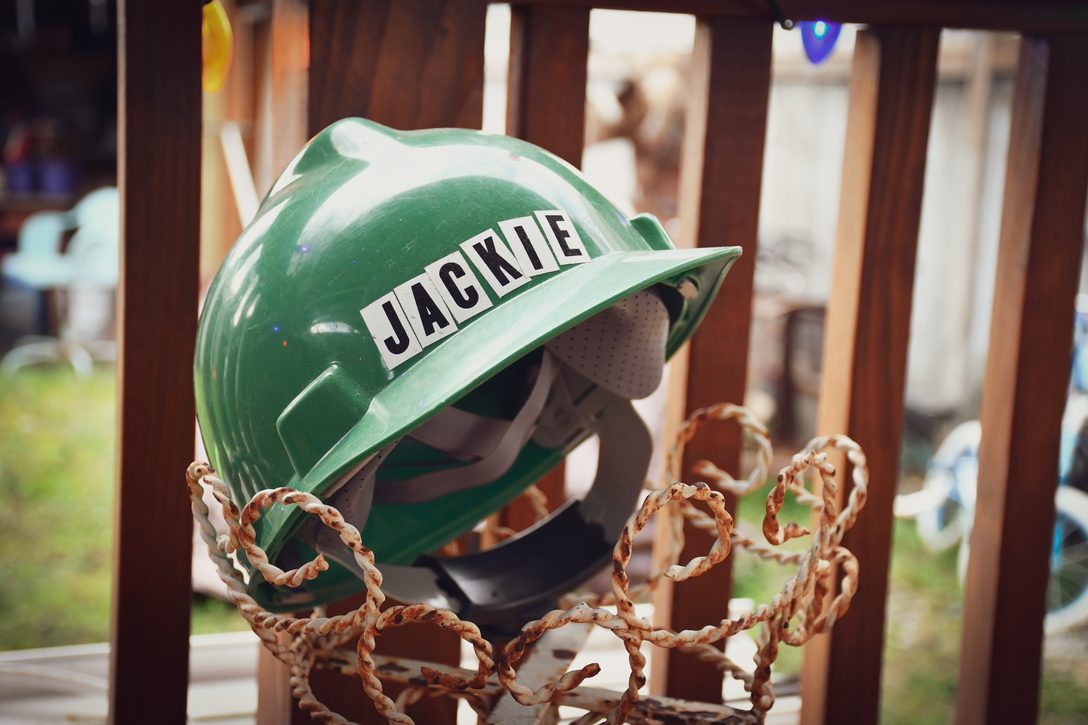
Jackie B. has turned her Habitat home into the hub of her community. Whether she is hosting family, friends, or the occasional foster dog, her house has been “packed from day one.” Despite the hardships she has faced in her life, she maintains a positive attitude and stays focused on what matters to her most: Caring for others. 

Jackie was born and raised in the Seattle–Tacoma area. She has always been a curious and handy person. Before she started kindergarten, her father had her rebuilding car motors, teaching her how to read mechanical instructions at a young age. Jackie was raised in a family that loved muscle cars and racing. Her parents and extended family raced cars and motorcycles. She is one of four girls, and her father chose her to teach mechanical and hands-on skills. 

Before becoming a homeowner, single mom Jackie lived in a one-bedroom apartment, where she converted the den into a bedroom for her three daughters. At the time, she was working two jobs: full-time at an auto auction and detailing repossessed motorhomes on the weekends. At the auto auction, she worked in many roles, including title clerk and switchboard operator. She always worked around vehicles, but the auto auction was the best job she ever had.  

She learned about Habitat for Humanity after paying off debt from her first marriage and being prequalified to buy a home on her own. After completing the application process, she was accepted into the program and received the first Habitat home built in the city of Renton. It was one of two single-story homes built on nearby lots. 

While the house was being built, Jackie worked full time during the week and still worked weekends, but she spent Saturdays volunteering on the build. Many of her coworkers volunteered as well. During construction, she helped dig the crawlspace, sewer, and power lines; tied rebar; laid floor joists; and installed insulation. She learned extensive construction skills through the process. Being involved in building the house gave her a deep understanding of the structure and pride in the home. 

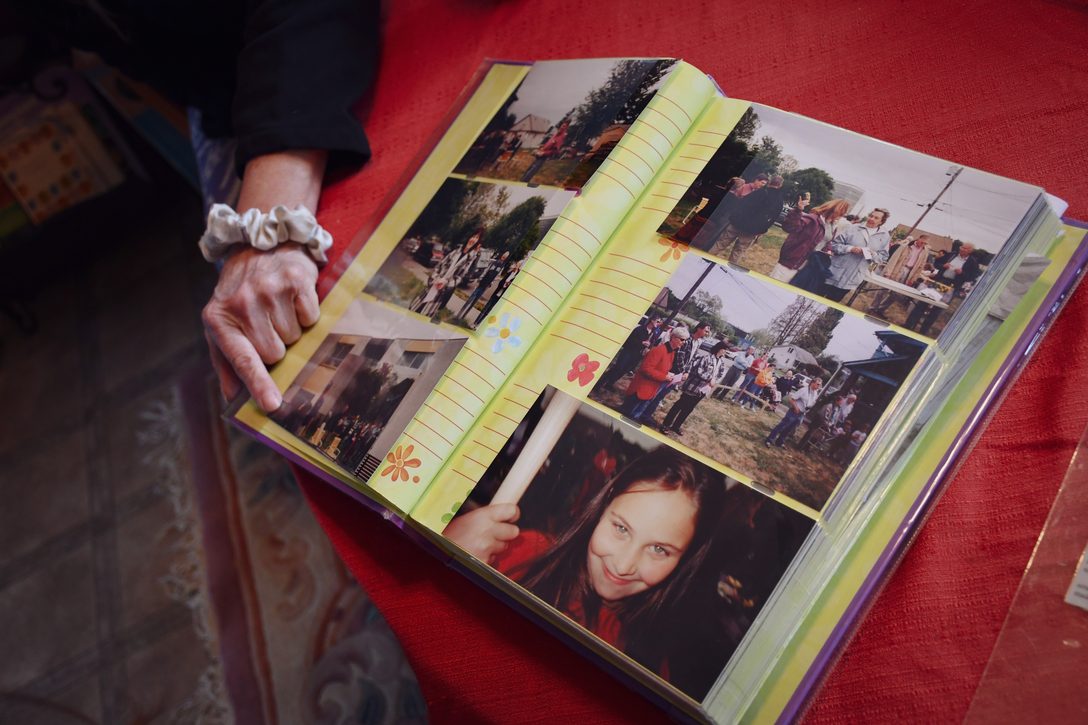
The move into her new home included a dedication ceremony that was attended by the mayor of Renton, local reporters, and students from Lindbergh High School who helped design the house with their teacher. Jackie explains, “They helped work on the house and drew up the blueprints with their teacher. I guess at the time, this was the only teacher that had worked with his class like this. They did blueprints for both houses, they were submitted to the City, and they got to follow it along through the whole process.” 

— 

When she moved into the house, her youngest daughter Chelsea had just started kindergarten, and her two older daughters, Stephanie and Bree, were in middle school. Her first year in the house was a big adjustment after living in a small apartment while working and raising her daughters.  

The house allowed her daughters to grow up in a stable neighborhood where they could put down roots and experience a strong sense of community, something that would have been difficult in an apartment setting. She says, “They got to grow up in the neighborhood. They got to ride their bikes up and down the street and play with the neighbors. It’s the kind of thing that you don’t have if you’re in an environment where your neighbors are changing all the time.” 

Her daughters remain close as adults. Her eldest daughter and her husband moved to Las Vegas for work. Her middle daughter lives in Enumclaw with her husband and young daughter. Chelsea now lives with her boyfriend, but previously she and her daughter Lily lived in the house when Lily was one month old. Jackie’s legacy of homeownership extended to a third generation. 

— 

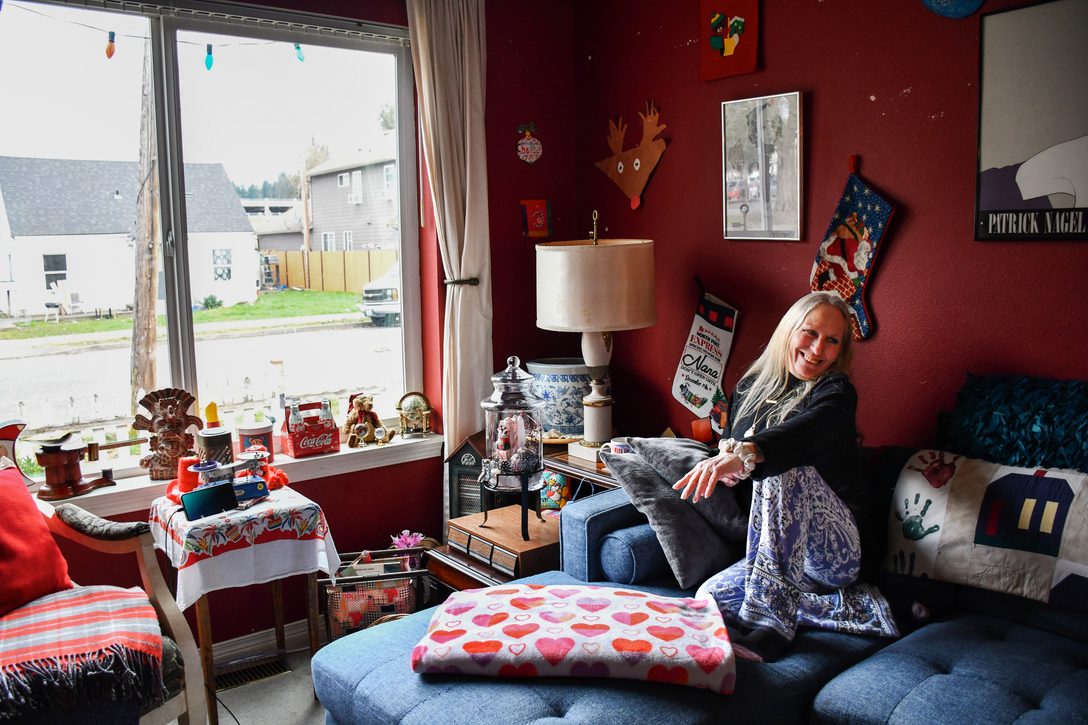
Jackie’s loves her living room, which faces the street, because it allows her to interact with her neighbors. She adds, “I get to see them right out the front window. I get to see everybody walking by. I’ve watched all the neighborhood kids go from grade school to grown up.”  

She often hosts holidays and gatherings and enjoys bringing neighbors together in her home. Over the years, she has built strong relationships within the community. She remains close to the Habitat home nearby and has welcomed new families as they moved into it. 

She plans to stay in the house for the long-term and to add a ramp to the front of the house if needed. She has completed many repairs herself over the years, including repairing fencing and replacing fence posts, relying on skills learned growing up in a family where fixing things yourself was expected. 

If she were to offer advice to new Habitat homeowners, she would encourage them to reach out for help more often than she did. She described herself as “stubborn but resilient” and has survived multiple major health events and numerous chronic conditions. Despite these challenges, she remains active and appreciative of life. She is also grateful for her neighbors’ support during her health challenges. One neighbor, who has lived in the neighborhood since the 1960s, hand carved a cane for her that was adorned with painted flowers. It’s an example of the many ways neighbors show up for each other, and a reminder to Jackie that kindness comes back to those who give it. 

Fort Lawton Needs Your Voice: Make a Public Comment in Support 

Read through our advocacy stories from the last seven years and you’ll find a common theme: The ongoing saga of the Fort Lawton Redevelopment Plan. Since 2019, when Former Mayor Jenny Durkan signed the Fort Lawton development into law, it has become an emblematic project of our long and invested work in enacting real change to housing systems in Seattle.  

The former military base in Magnolia has been slated for transformation into affordable housing for nearly 20 years, though that vision has yet to be fully realized. That means countless families have been waiting nearly two decades for the promise of more affordable housing in one of Seattle’s most expensive neighborhoods.  

When this project is finished, it will provide homes across the housing continuum: Chief Seattle Club will build permanent supportive housing; Catholic Housing Services of Western Washington, in partnership with United Indians of all Tribes, will develop affordable rental apartments. And, Habitat SKKC has been slated to develop affordable homeownership opportunities.

“We can’t solve this region’s housing issues ourselves — no one organization can. Together with Catholic Community Services, we look forward to creating a development that offers a whole continuum of affordable housing options in a highly desirable area of Seattle,” said Habitat SKKC CEO Brett D’Antonio in 2019, shortly after the law was signed. At that point, Habitat SKKC planned to build 52 affordable homes for purchase on the site 

By 2024, Former Mayor Bruce Harrell began focusing on a redevelopment plan for the stalled project. By the time the plan was updated in 2025, our own plans for affordable homes increased to 200 units. We knew then that if we were going to address the housing crisis in Seattle, we would have to be more ambitious. 

When the capital budget was passed in 2025, it included $100 million for The Connecting Housing to Infrastructure Program (CHIP). Within that program, $10 million has been allocated for Fort Lawton—an amount of money that helps ensure this project will move forward.  

Earlier this month, The Office of Housing released the second Draft Supplemental Environmental Impact Study (DSEIS), and this is where our advocacy network’s voice is needed. Public comment on the DSEIS will be open from August 6 – September 8, 2026. 

There are three ways to submit public comment:  

  • In-person: An in-person verbal public comment can be given at Seattle Municipal Tower in the 3rd floor lobby on Thursday, August 27 from Noon to 3:00 PM. 

Learn more about the various ways to raise your voice for Fort Lawton—and stay up to date with our advocacy work by signing up for Habitat SKKC action alerts.   

Whether you’ve submitted comments for the Fort Lawton Redevelopment Plan in the past or it’s your first time doing so, we need you to show up in support of affordable housing and homeownership. Advocacy is not a job for the experts to handle alone. Advocacy is actionable work that everyday citizens can undertake. If we want to stop letting much-needed land sit empty and turn it into affordable homes for our neighbors, while affecting real change to Seattle’s housing landscape, we must stand up together.    

Habitat SKKC and ACHD Celebrate Continued Partnership at Second Groundbreaking 

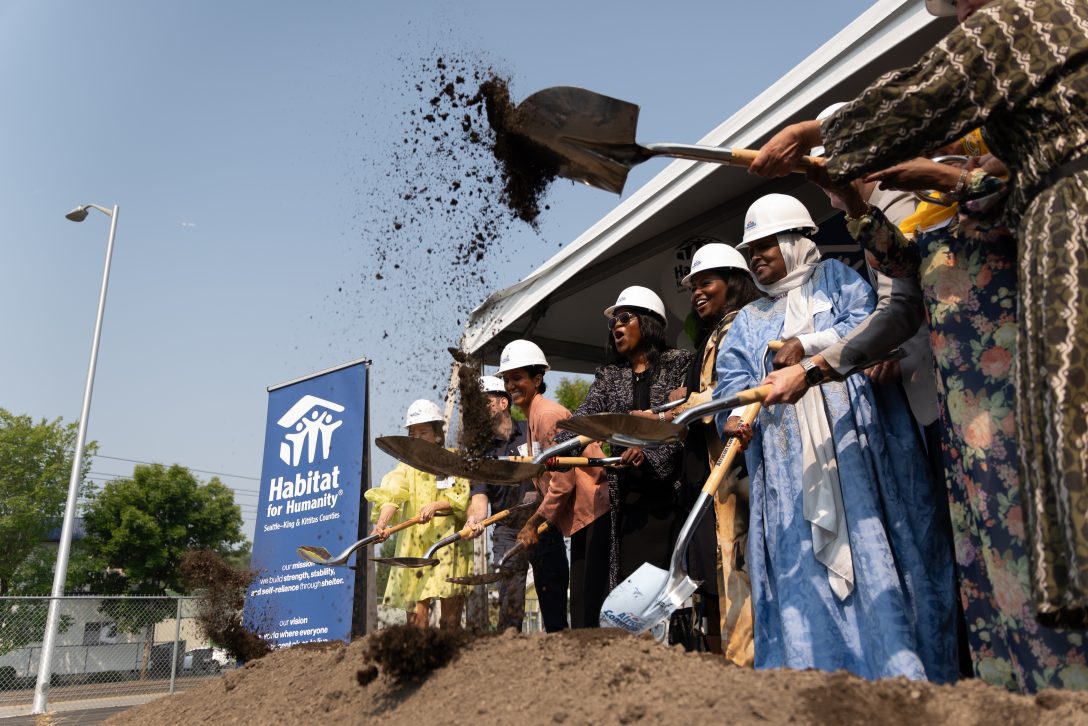
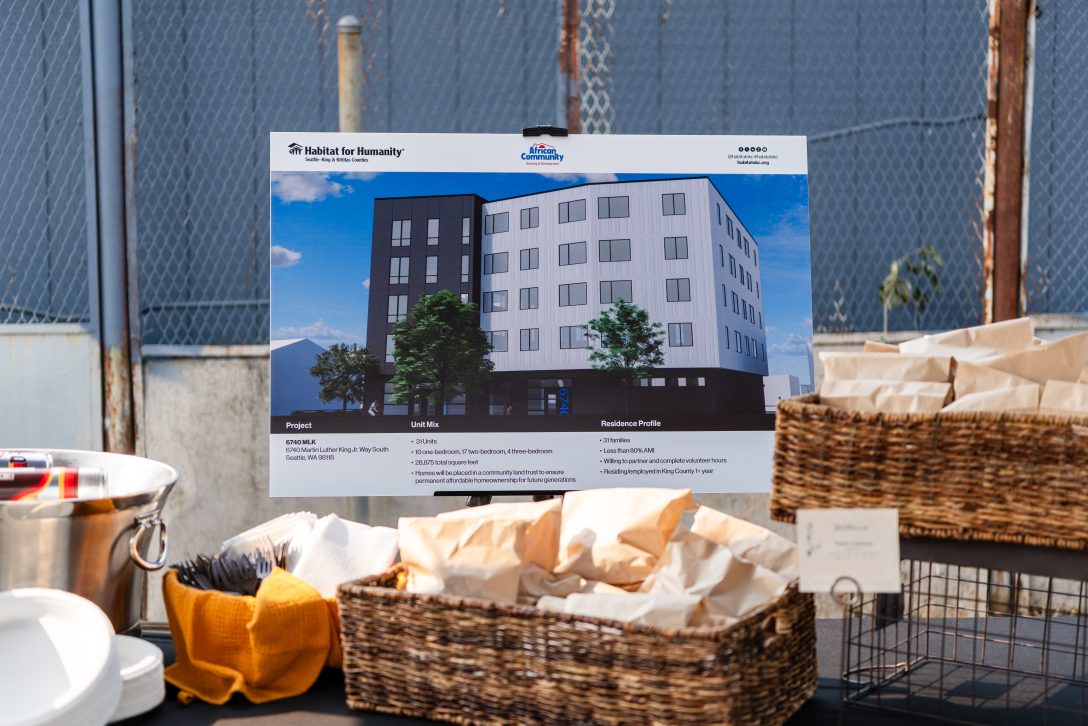
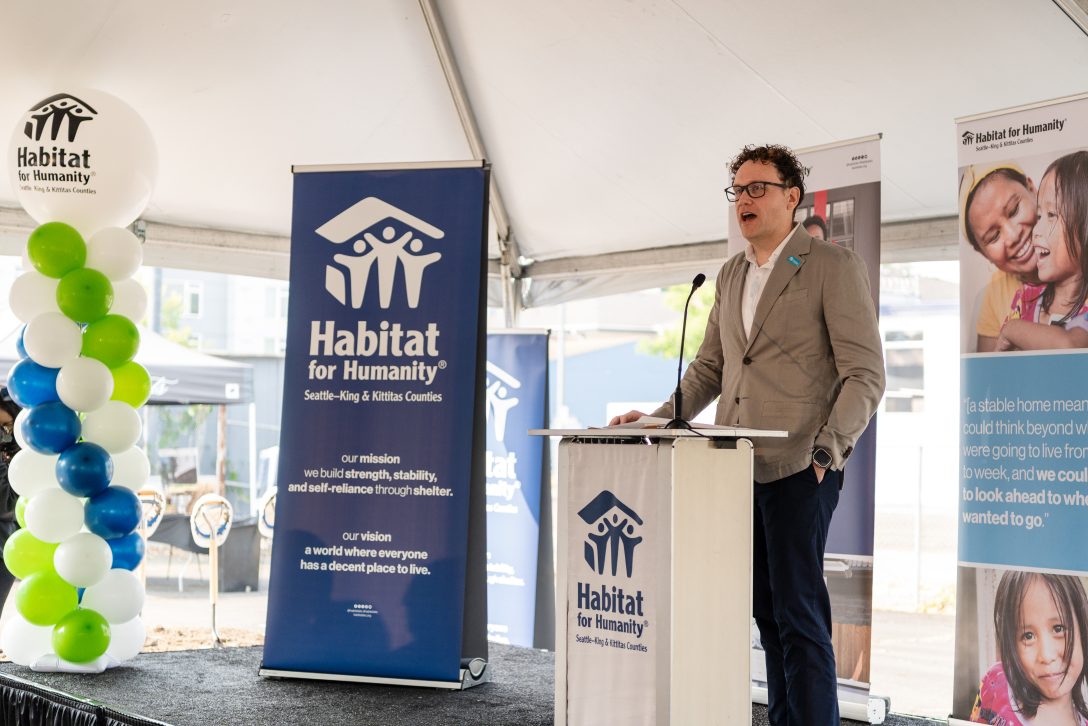
Habitat SKKC, in partnership with African Community Housing & Development (ACHD), celebrated the groundbreaking of our second affordable homeownership project in the Rainier Valley. On August 5, a crowd of nearly 100 people gathered on a lot at 6740 MLK Jr. Way S. that will soon hold a mid-rise building made up of 31 new 1, 2, and 3-bedroom condos. 

Our joint venture and partnership with ACHD, which began in August 2023, will result in 70 new and permanently affordable homes along the MLK Way corridor. ACHD is a nonprofit that empowers Seattle’s African Diaspora community by building culturally rooted health and housing stability in the region. Last June, we broke ground at 3601 MLK Jr. Way South, the first of our three projects with ACHD.  

The support of the community that came out last year and again this year helps sustain our momentum on a long-term project. We are three years into our partnership with ACHD, and already so much groundwork that has been laid down. It’s not only in the literal breaking of ground that was the cause for the day’s gathering, but in the connections we are building with ACHD throughout the Rainier Valley in churches, non-profits, and all the third places that make up a neighborhood.  

Bilan Aden, Vice President of ACHD, opened the program by singing the theme to Mister Roger’s Neighborhood, repeating the refrain, “Won’t you be my neighbor?” She acknowledged both the Duwamish Tribe and their ancestral land we stood on and those people in Spokane, Washington who are currently facing destructive wildfires at home—because everybody in Washington state is our neighbor. 

The fires in Eastern Washington also weighed heavily on Senator Rebecca Saldaña, 37th Legislative District, as well. During her speech, she reflected, “A home is not a guarantee; it’s a commitment.” She reminded the crowd that we are all neighbors, and that means taking care of those facing the threat of fire damage at their homes as much as those looking for homes of their own.  

As a resident of the Rainier Valley, Senator Saldaña knows that the area is the intersection of many different cultures. “All are welcome here,” she emphasized. That notion is a big part of the work of the Black Home Initiative (BHI), a network of which we are proud to be members. 

In his speech, Habitat SKKC CEO Brett D’Antonio explained our work with the BHI Network: “These projects center Black homeownership and upward mobility throughout South Seattle and South King County. We made this commitment when we joined the Black Home Initiative network and took a step towards correcting the systemic injustices that have blocked Black families from homeownership for too long.”  

The residents of the Rainier Valley homes will soon experience first-hand the transformative power of permanence. With mortgages set at no more than 35% of their incomes, residents won’t be cost-burdened and living with the dread of the next rent increase.  

Our important partnership with ACHD is rooted in community building and long-term investments in the Rainier Valley. Through our capacity-building and co-learning partnership model we will increase affordable housing regionwide to meet the needs of BIPOC and low-to-moderate income communities. We are building these homes in South Seattle so that the communities that have long been rooted here won’t be displaced.   

This is an ambitious project that takes collaboration and dedication. Seattle City Councilmember Dionne Foster recognized this when she said, “At the core of this work is grit. Thank you to Habitat and ACHD for the grit and determination to make this project possible.” 

Patience Malaba, Executive Director, Housing Development Consortium, who returned this year after speaking at last year’s groundbreaking, reflected on how far we’ve come in our work. She pointed at the pile of dirt that the day’s speakers would soon shovel as part of the groundbreaking ceremony and said, “We’re making progress. This is part of the progress.”