Repair Client Spotlight: Dan A

Dan, a 78-year-old army veteran who has lived in his Kittitas home for nearly 30 years, has survived the Vietnam War, personal tragedies, and even a tornado touchdown. Despite the adversity he has faced, he hasn’t lost his positive outlook on life. When his home needed repairs, the Habitat SKKC Repair Team was happy to help serve a veteran who dedicated his life in service to his country.  

Dan grew up in North Carolina. When his parents divorced, he relocated to Idaho with his mother after she remarried. He grew up on a small horse ranch with his mother and stepfather until his stepfather died in a tragic accident while working on his car. After that, Dan and his mom moved to Oregon. His mother later remarried again to a truck driver connected to Ellensburg, Washington, and Dan eventually ended up moving to the area. 

When he turned 18, Dan enlisted in the military on December 29, 1966. He went in under the buddy system with a childhood friend. The military buddy system pairs enlisted soldiers with a partner for support, training, and safety, and they can remain partnered throughout their service. 

Dan served for two years, including during the Tet Offensive in 1968. During that time, the best friend he enrolled with was killed. Dan had to escort his body home and speak with his friend’s family, a difficult experience. He was given 90 days to return to service to keep his rank, and so he re-enlisted and went back, volunteering again for Vietnam. During his time in service, he was also stationed in Alaska and Germany and was a Sergeant E5 when he left the military. 

Around 1973, while waiting for orders at Fort Knox, Kentucky with his wife and their 18-month-old son, the family was caught in a F5 tornado. The tornado destroyed houses, put them in the hospital, and severely injured his wife, who broke her femur and hip. Dan himself was injured in his eye. A captain had found his infant son, miraculously safe, in a field after the storm. When they returned later, there was nothing left of the house except the concrete steps. 

After that difficult period, he and his wife divorced. He returned to Ellensburg after leaving the military for the second time. Once out of the military, Dan worked various odd jobs, including at local Twin City Foods and Anderson Hay and Grain. Eventually, at 65, he retired. 

In 1998, he had a big stroke of luck when he bought a lottery ticket and won a small amount of money. On his father’s advice, he used that money to pay off his home. Paying off his home gave him stability, and he has lived there ever since. 

He now has a girlfriend named Sharon, and they have been together for 14 years. They met at bingo and still play the game on date nights. He spends time with her regularly, helping her with appointments and visiting each other. “That’s the love of my life,” he said, beaming. 

Sharon was the one to first tell him about Habitat SKKC’s repair program and suggested he reach out a few years back to have his home repainted. Since then, the team has continued to help him with repairs, including replacing his toilet and adding new pavers in his yard. Having the repair team help him stay safely in his home means he can focus on managing his finances carefully, spending time with Sharon, and finding ways to stay active.  

Sometimes, when he tires of watching sports on television, he’ll turn on music and dance in his living room, what he referred to as “acting a fool.” His playful spirit keeps him youthful and helps him maintain his positive outlook. When the Habitat SKKC team worked on his home, he turned oldies on and invited everybody inside for lunch. “It’s a party in here,” he remarked. 

Having Habitat SKKC in his life has improved things for him, and he appreciates everything the team has done for his home. He has lived in his home for over a quarter century, and it means a lot to him to have this stability after a life full of ups and downs. Dan said, “I just keep on trucking. You’re only as old as you feel.” 

The project was fully funded by a generous grant from The Home Depot Foundation. 

Foundations for Hope: Future Z.

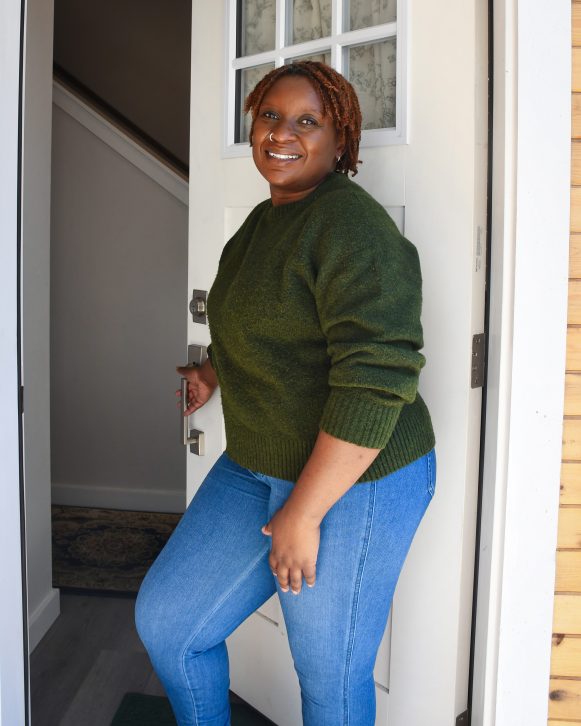
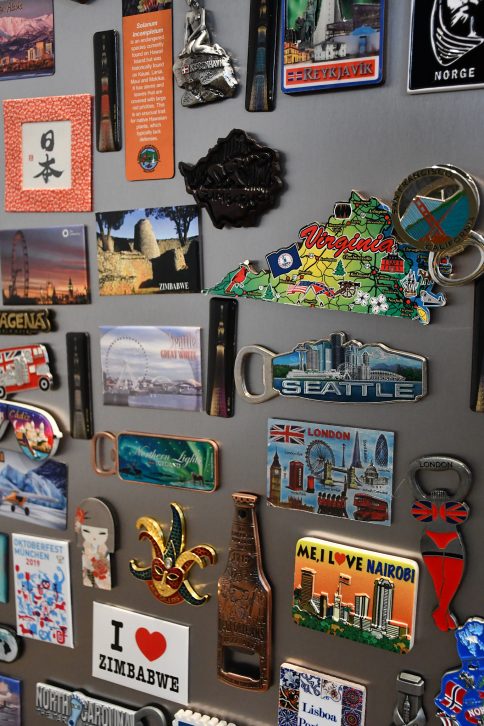
Future Z. was born in a small village called Mberengwa that sits at the bottom of granite mountains in Zimbabwe. She was adopted at age four by her mother, who saw where she was living and decided to move her to the city. She explained, “That was my first real lucky break in life.”  

She and her mother lived in Zimbabwe until she was 13. Due to political instability and safety concerns, her family left on political asylum and came to the United States, settling in the Bay Area, where they had old family friends to welcome them. Future attended high school in Berkeley. Arriving in California during her first semester of high school was a big culture shock, particularly with language: She spoke English with a British accent and had to adopt American speech. A quick adapter to new environments, she worked through the unexpected language barrier and settled into her new life in the U.S. 

She first visited Seattle around 2017 and immediately felt drawn to it. While serving in the Army, she was stationed in Oklahoma and Hawaii, but she eventually requested Washington state for her final assignment because she loved Seattle. She moved to Washington in October 2020 and was stationed at Joint Base Lewis-McChord (JBLM), where she later retired from the military. Following the passing of Future’s stepdad in 2016, her mother moved with her through Future’s different military stations and now lives with her in Seattle, where she works for the FAA. Future works at the VA hospital in inventory management and supply, the same field she worked in during her time in the military.  

Outside of work, Future spends much of her time enjoying Seattle’s sports and entertainment scene. She set a goal of attending games for every major Seattle sports team and has been checking them off, including the Seahawks, Mariners, Storm, and Reign. She frequently attends concerts at Climate Pledge Arena and also enjoys comedy shows and Broadway productions. 

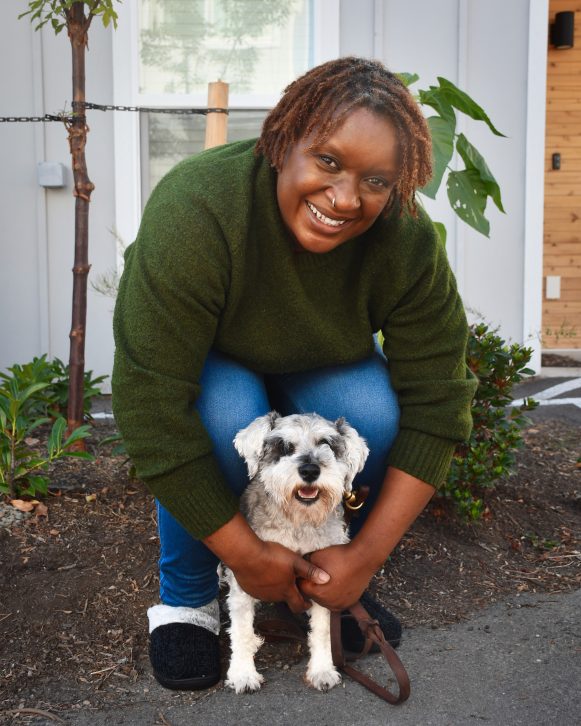
She has two miniature schnauzers, Aries and Cairo. She adopted her first dog during a difficult period recovering from surgery to encourage herself to get out, walk, and interact with others. The experience helped her heal, and she later adopted a second dog during another recovery. 

While in the military and experiencing multiple moves, Future hadn’t been rooted in a single place. Now that she has put roots down in Seattle, she looks forward to volunteering and wants to join her local Rotary Club. She said, “I’ve been a beneficiary of so many organizations that I want to give back to.” 

— 

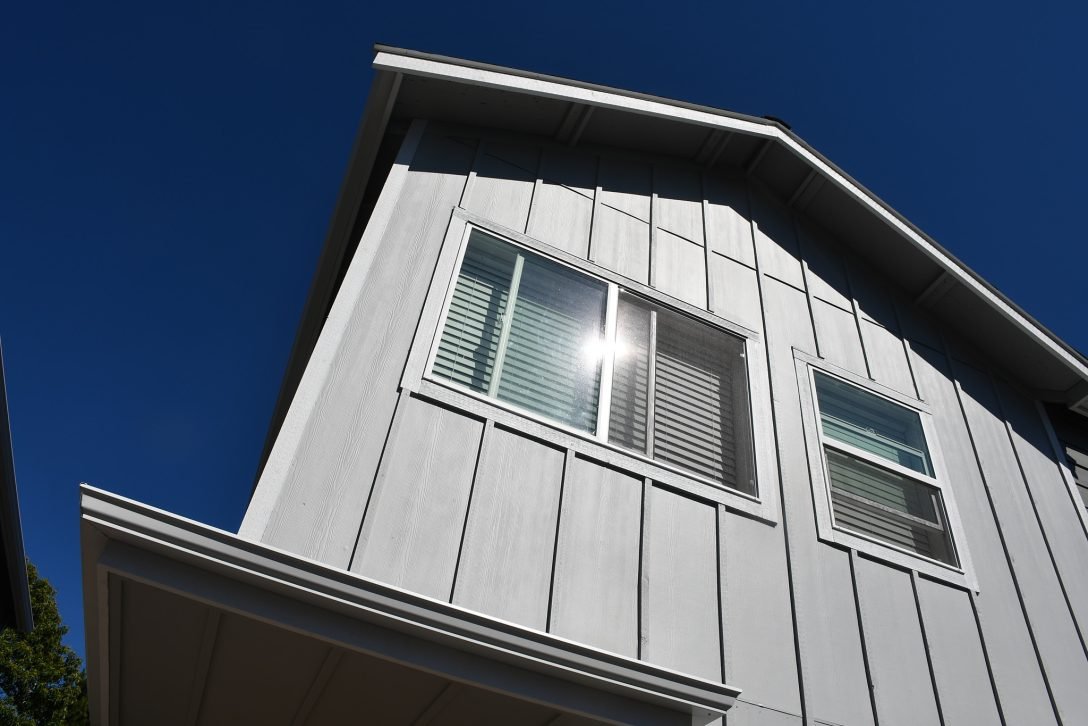
Prior to buying her Habitat home at Yarrow Cottages in South Park, Future lived in an apartment in Mukilteo, a location she chose when working at her previous job at Boeing. Her long commute from Mukilteo to the VA hospital in Columbia City was difficult and limiting, particularly in her ability to spend time with her dogs. After six months of searching for a home within her price range and preferred location, she found a Habitat SKKC listing on Zillow that met her needs. She was initially unsure whether she would qualify, but after applying, she qualified for a Habitat home. Receiving that news was one of the happiest moments she had experienced in a long time. 

Her experience with the homebuying process was positive and supportive. She appreciated the clear communication, structured steps, and educational classes that helped her understand each part of the homebuying process.  

She felt excitement about living close to work, reducing her commute, and being close to parks, a library, and the nearby Georgetown neighborhood. As they prepared to move into their new home, Future and her mother looked forward to the community that awaited them: “We’re so excited to be in a community again. We haven’t really been in a community since I retired.”  

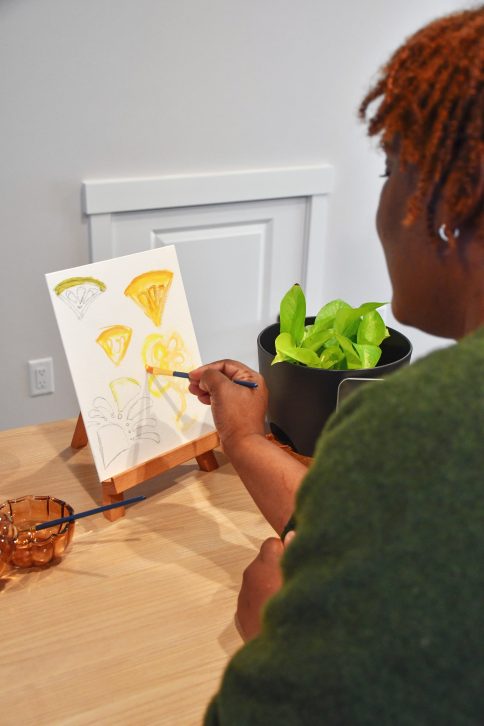
Future was especially excited about decorating, and as she planned for her move, she created a large mood board and chose paint colors for the walls for the first time since childhood. She was most excited about the kitchen, imagining a bright green and yellow space where she could cook and host friends. She enjoys making dishes such as Japanese curry and cooking recipes influenced by her mother, who is from Nigeria. She plans to host dinners and welcomes the opportunity to gather with friends and coworkers in her new home. She added, “I finally get to be in my own space where I can express myself.”  

Upon moving into her house in May, she blessed the home by expressing gratitude and setting positive intentions. Now, she looks forward to creating a space filled with love, where her dogs can run and her family can feel at home. She views her home as a place where all the elements that already make up her sense of home, her mother, her dogs, and her experiences, can finally come together in one place. 

Open Doors: Habitat SKKC Celebrates the Completion of Liberty Commons

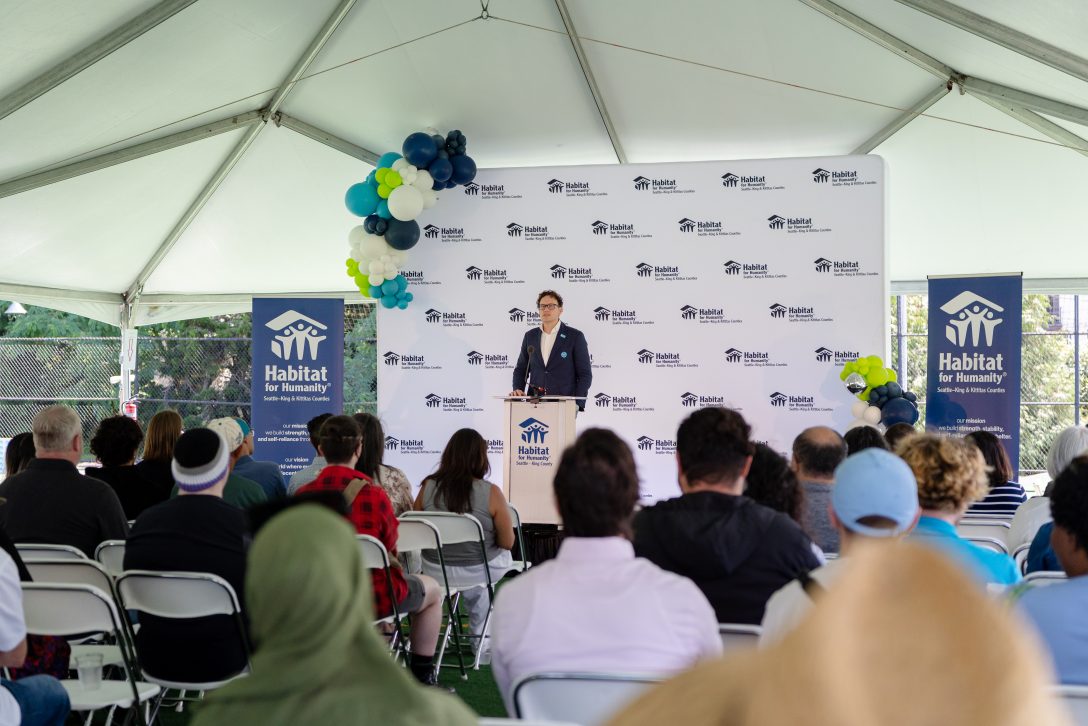
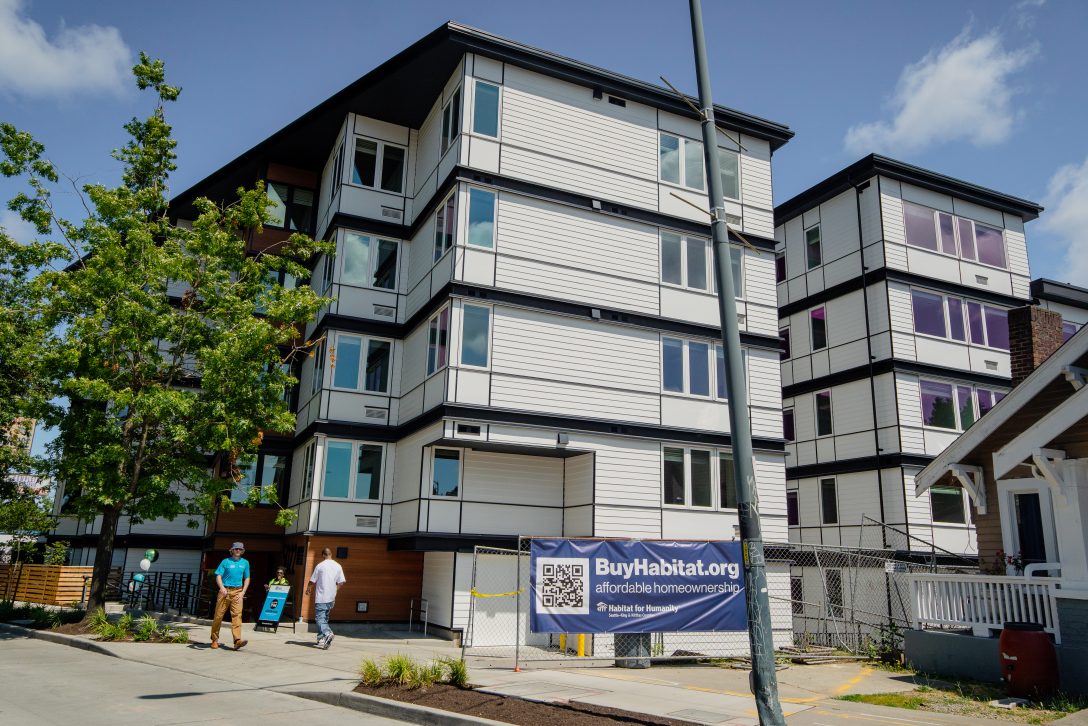
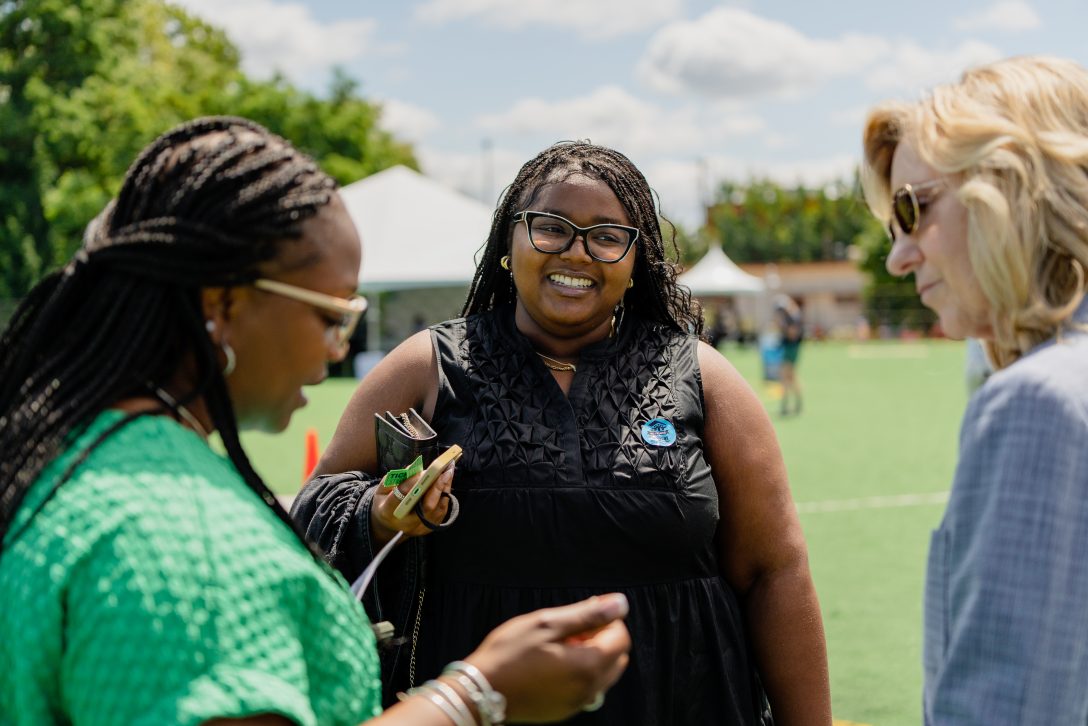
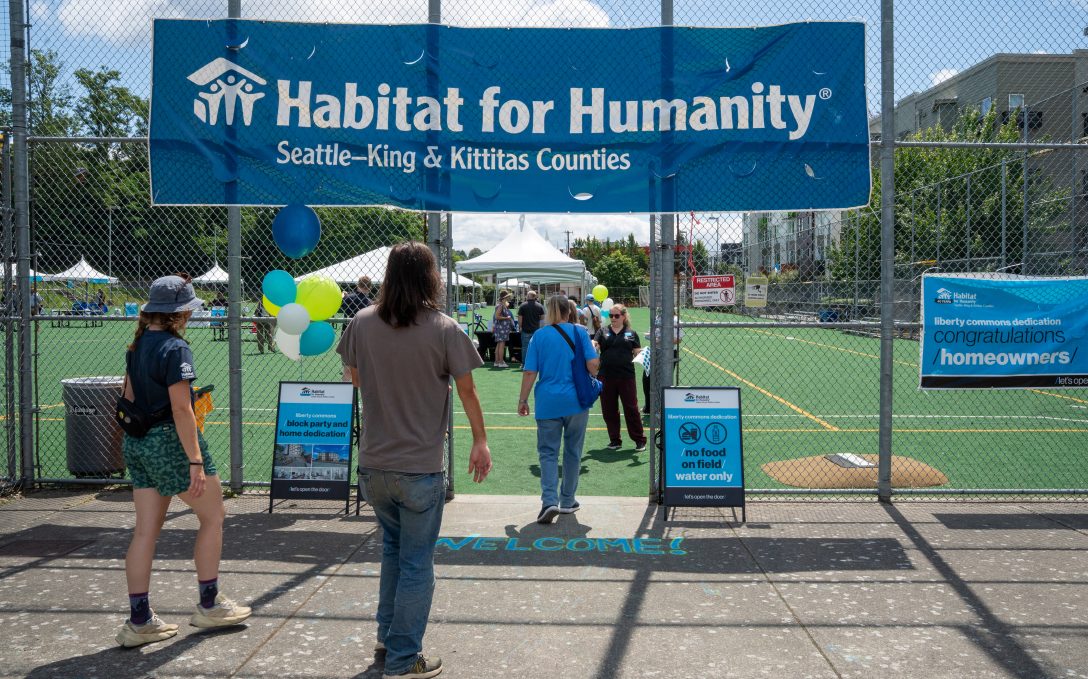
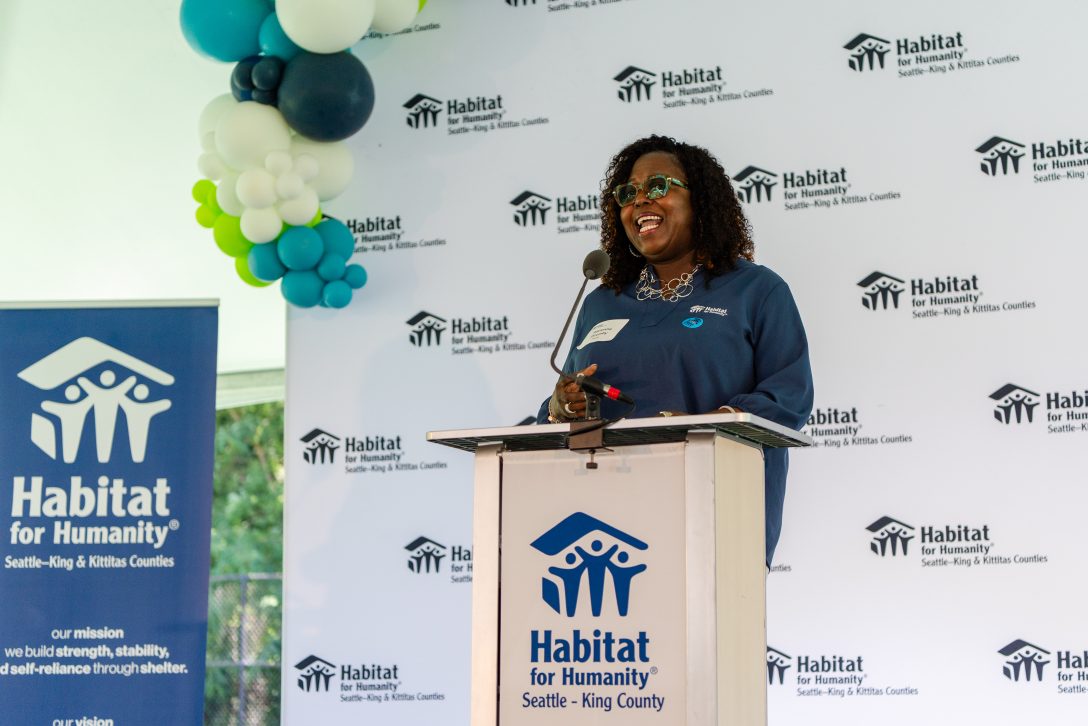
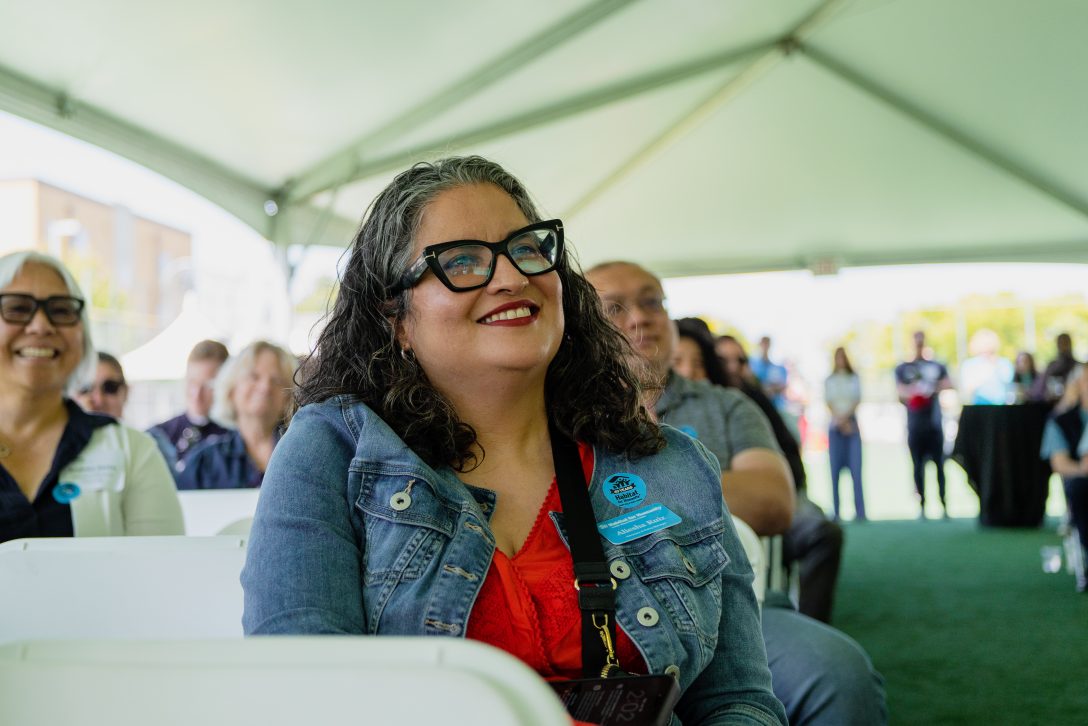
On Saturday, July 18, 2026, Habitat SKKC welcomed the community to Columbia City to celebrate the completion of the newest affordable homeownership building in the South Seattle neighborhood, Liberty Commons. The event, part of Habitat SKKC’s 40th anniversary year, brought together new homeowners, community partners, volunteers, supporters, and neighbors to mark the milestone completion of the largest single-building, multifamily project in Habitat for Humanity’s history.

Columbia City is one of the most diverse and desirable neighborhoods in Seattle. It’s also meaningful to our organization, as it’s where we completed our first home in 1988. From a single home nearly 40 years ago to 58 homes today, Liberty Commons is emblematic of the immense growth of our impact on the region. At the dedication, hosted by our friends at the Rainier Vista Boys & Girls Club, over 200 people gathered to celebrate the new Liberty Commons community and connect with the neighbors who have long called Columbia City home.  

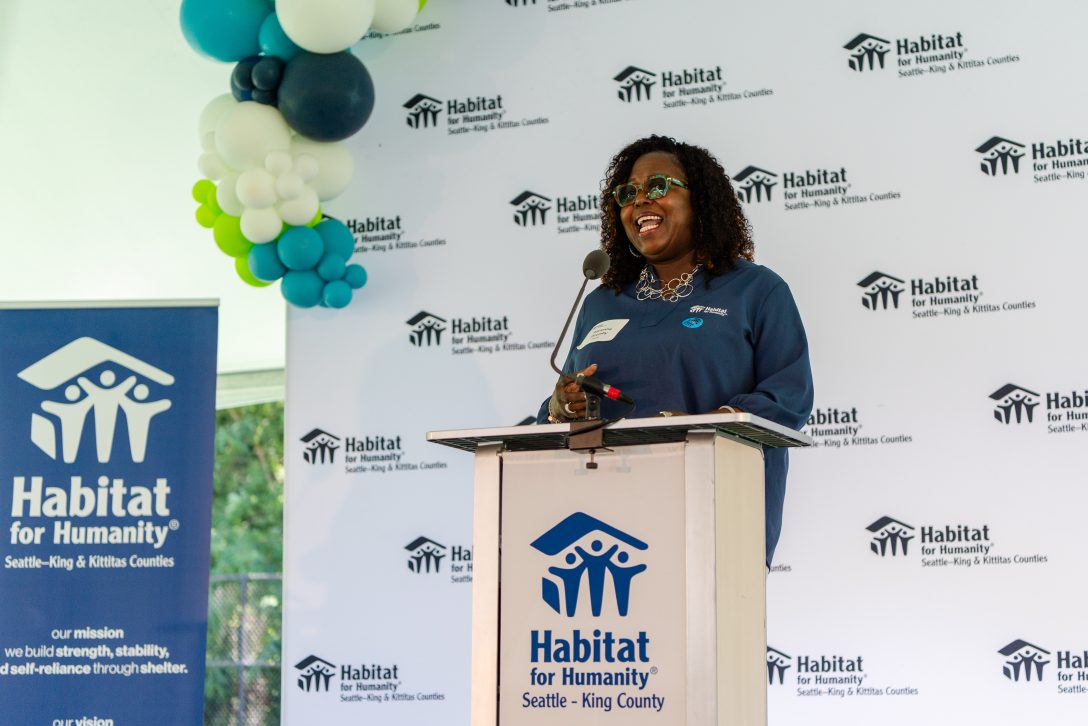
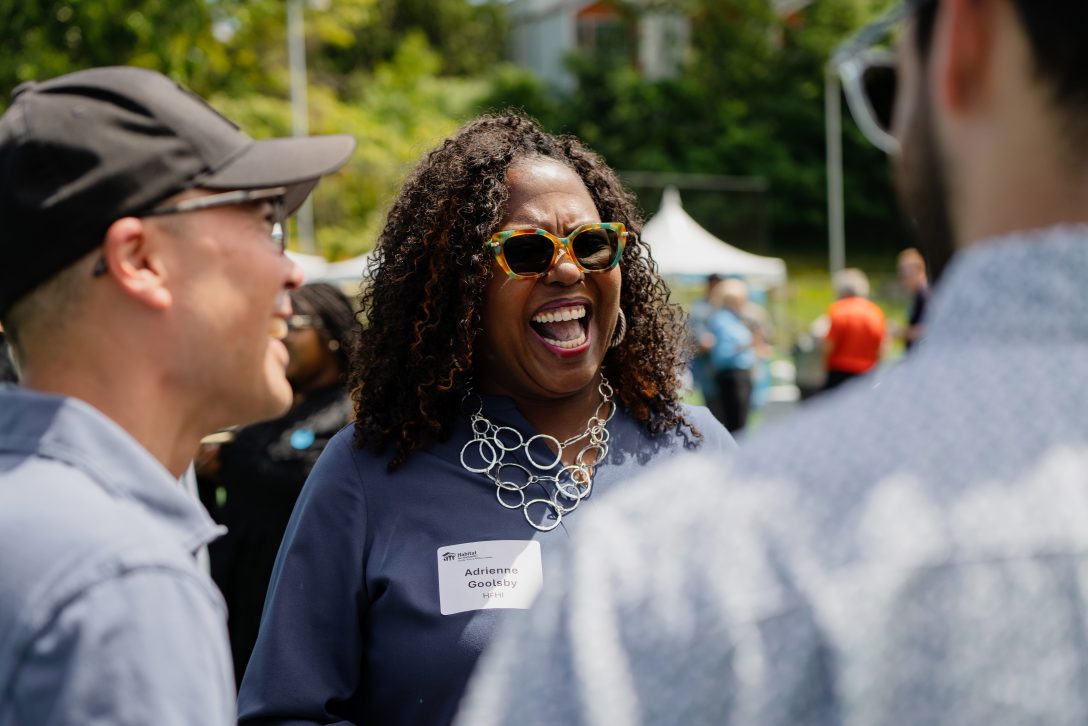
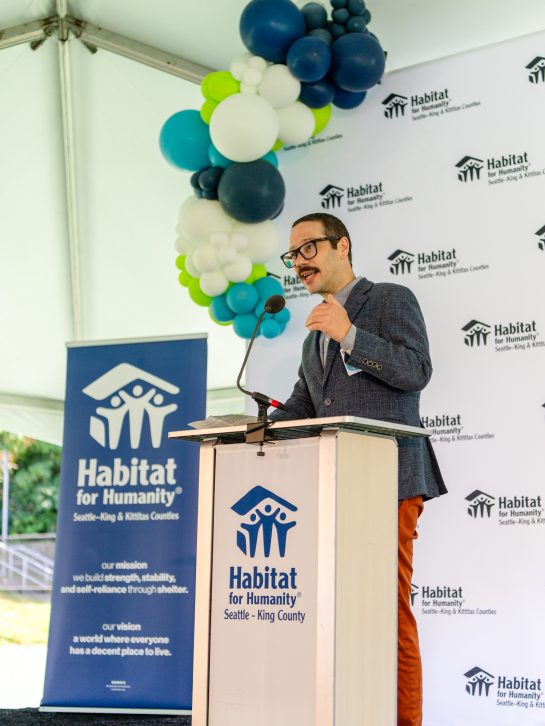
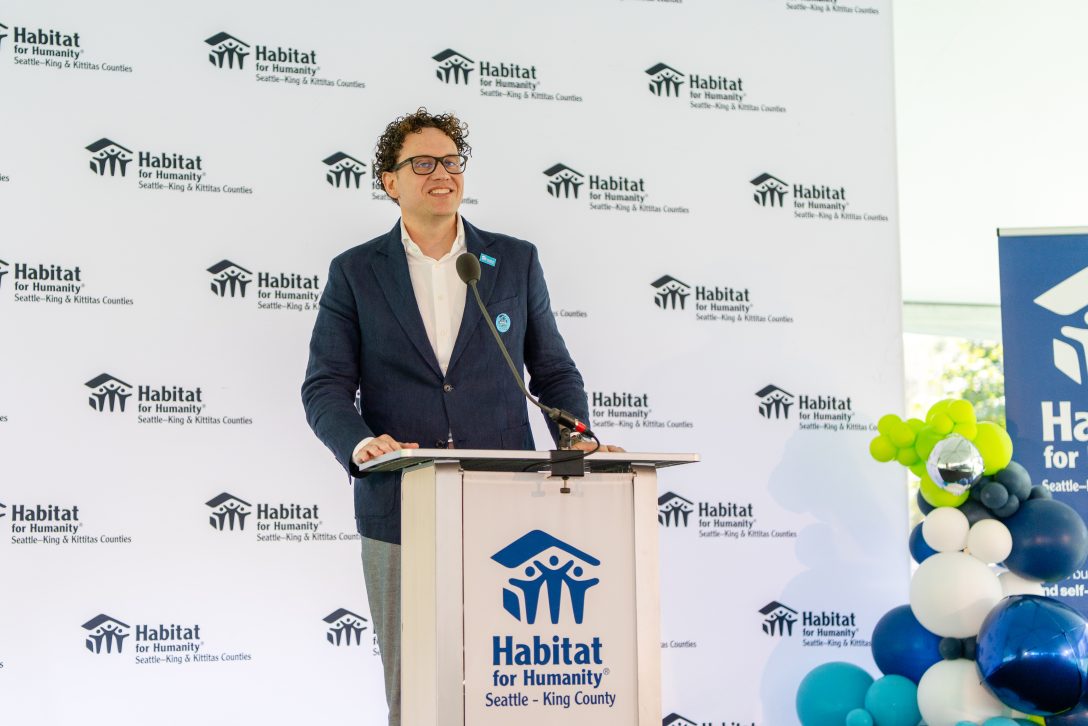
The lineup of speakers included representatives from the many organizations who helped fund this project, along with Habitat SKKC CEO Brett D’Antonio and Habitat for Humanity International’s (HFHI) Adrienne Goolsby. While reflecting on the project, she pointed out its location on MLK Jr. Way S., drawing inspiration and hope from Dr. Martin Luther King Jr.’s instruction that, “We must walk on in the days ahead with an audacious faith in the future.”

We too were inspired by Dr. King’s vision for a better future via a more just society, and we felt that Liberty Commons needed a name that reflected the possibility that homeownership promises. In 2025, we partnered with The King Center for Nonviolent Social Change to name the building in honor of Dr. King’s legacy as an advocate for fair housing. “Liberty” represents the freedom implied in the 1968 Fair Housing Act that prohibited discrimination in housing. “Commons” represents the shared community we hope residents of this building will find in their new home. Dr. King’s daughter, Dr. Bernice A. King joined us at a special event last spring to unveil the new name, and now a plaque honoring the moment is featured in the lobby of our new building.   

During his speech, Habitat SKKC CEO Brett D’Antonio acknowledged the difficulties that first time homeowners face in the competitive Seattle market, a challenge that Habitat helps buyers overcome: “These homes create opportunities for people to start investing in their futures now. With a median age of 40, market rate first-time homebuyers in Seattle must wait longer than ever before to enjoy the benefits of homeownership. But not the homeowners at Liberty Commons. These incredible people, including a teacher, a microbiologist, a tutor, a union organizer, and so many more, start the next chapters of their lives today.” 

Habitat SKKC’s starter homes reach this demographic by offering those making less than 80% of the Area Median Income (AMI) affordable homes with mortgages set at no more than 35% of their incomes. As with other Habitat SKKC properties, Liberty Commons will be placed in a Land Trust ensuring permanent affordability for future generations. Goolsby, citing the benefits of the Habitat model, pointed to a study conducted this year on national Habitat homeownership, “On average, Habitat homeowners accumulate $1,800 more in liquid assets than their neighbors.”   

Speaking on behalf of Washington Trust Bank, an investor in this project and one of our 40th anniversary sponsors, Christin A. Malek, Community Development Officer II, offered her well wishes for the 58 new homeowners at Liberty Commons: “I hope these homes are filled with laughter, family dinners, celebrations, quiet mornings, loud kids, good neighbors, and all of the beautiful, messy, ordinary moments that make a house truly become a home.” 

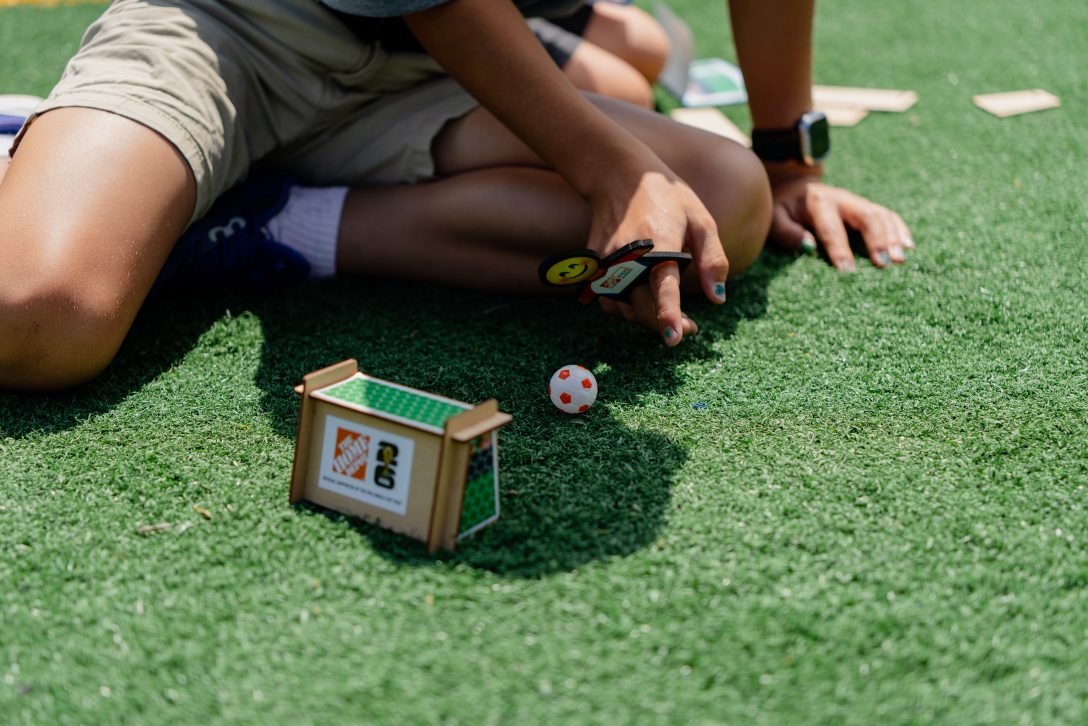
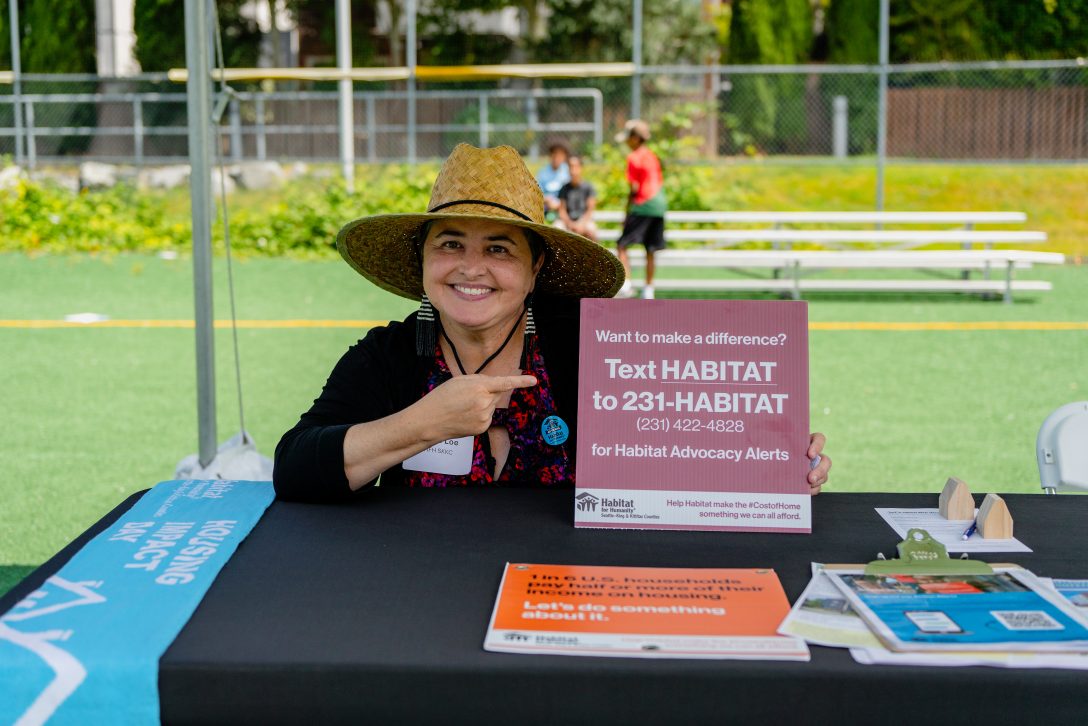
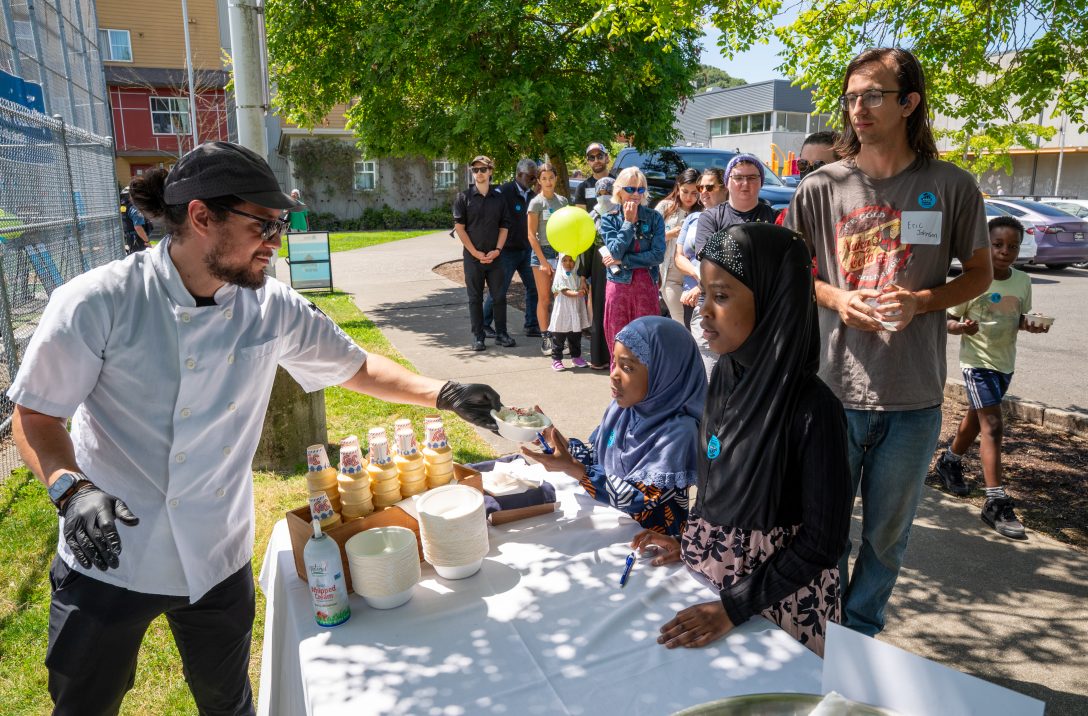
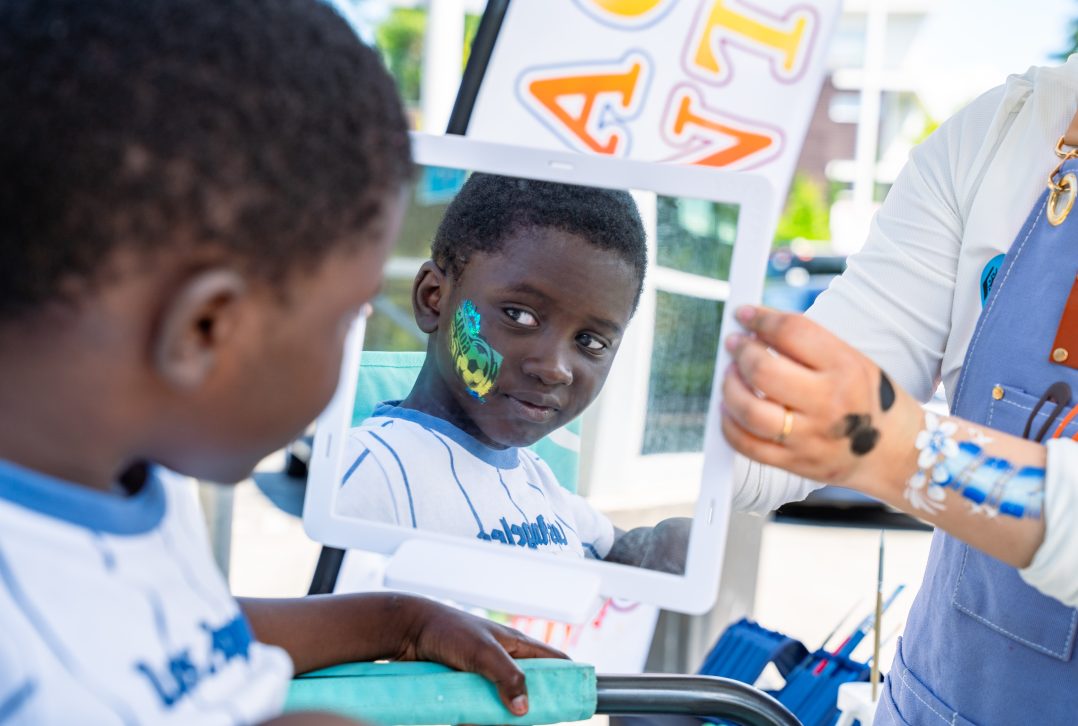
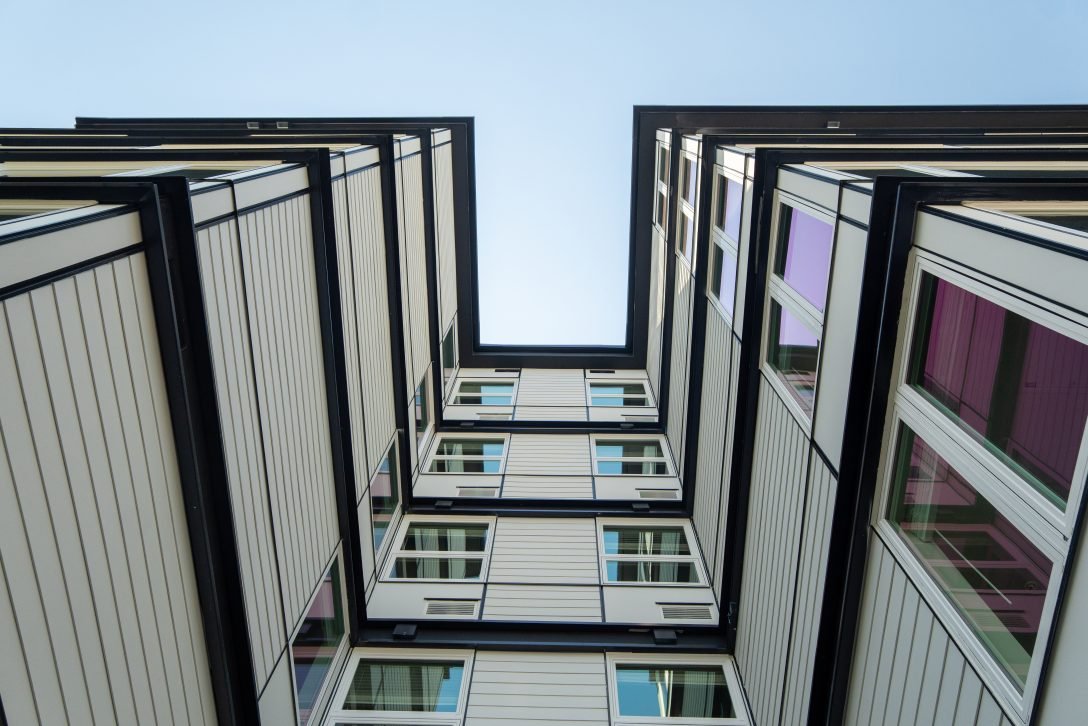
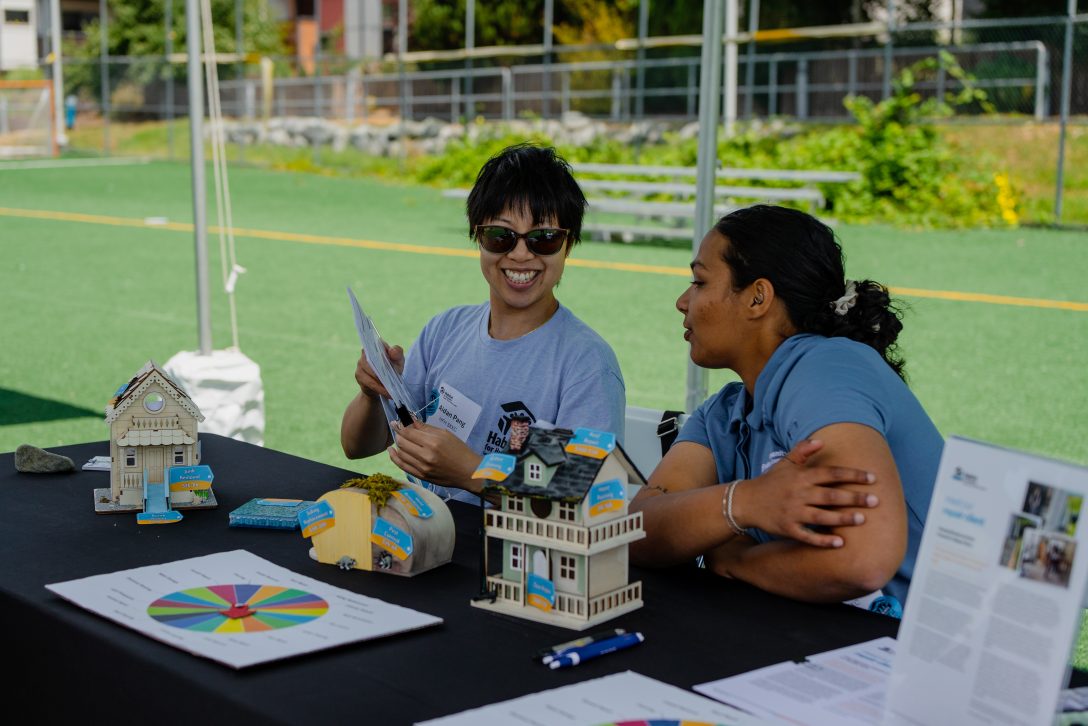
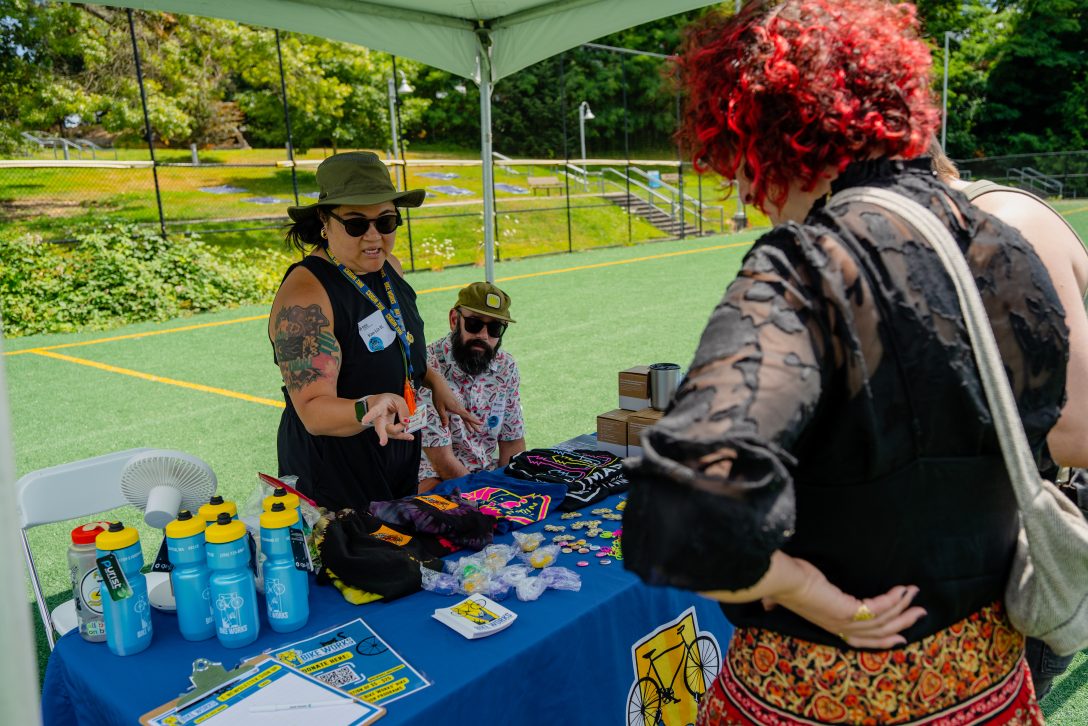
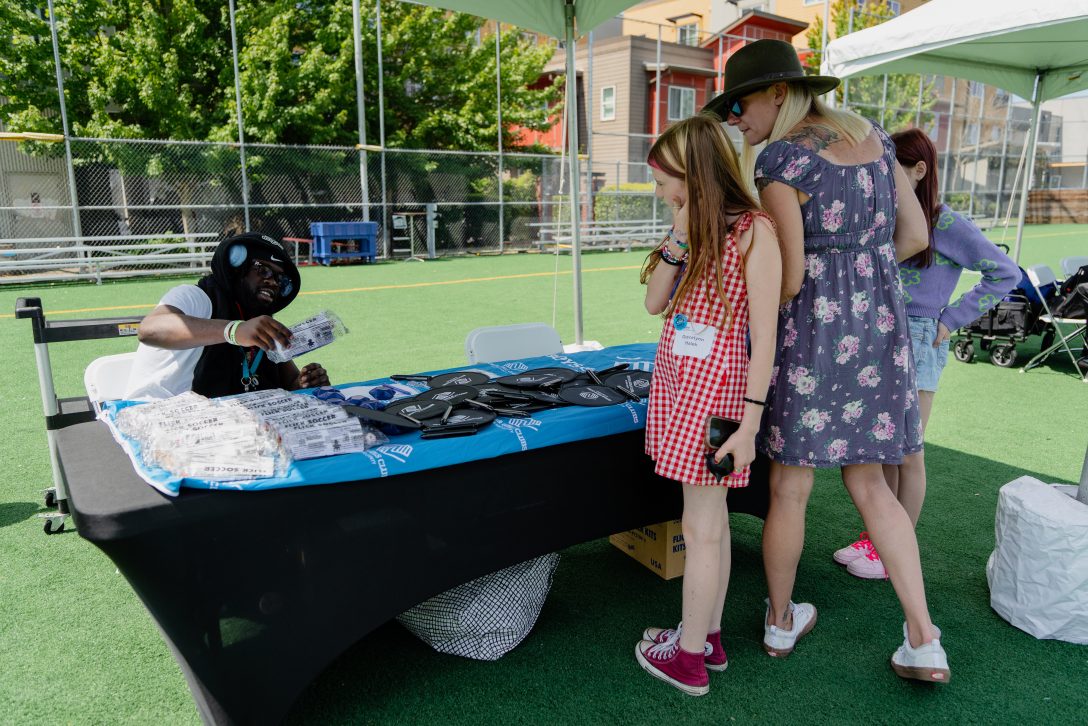
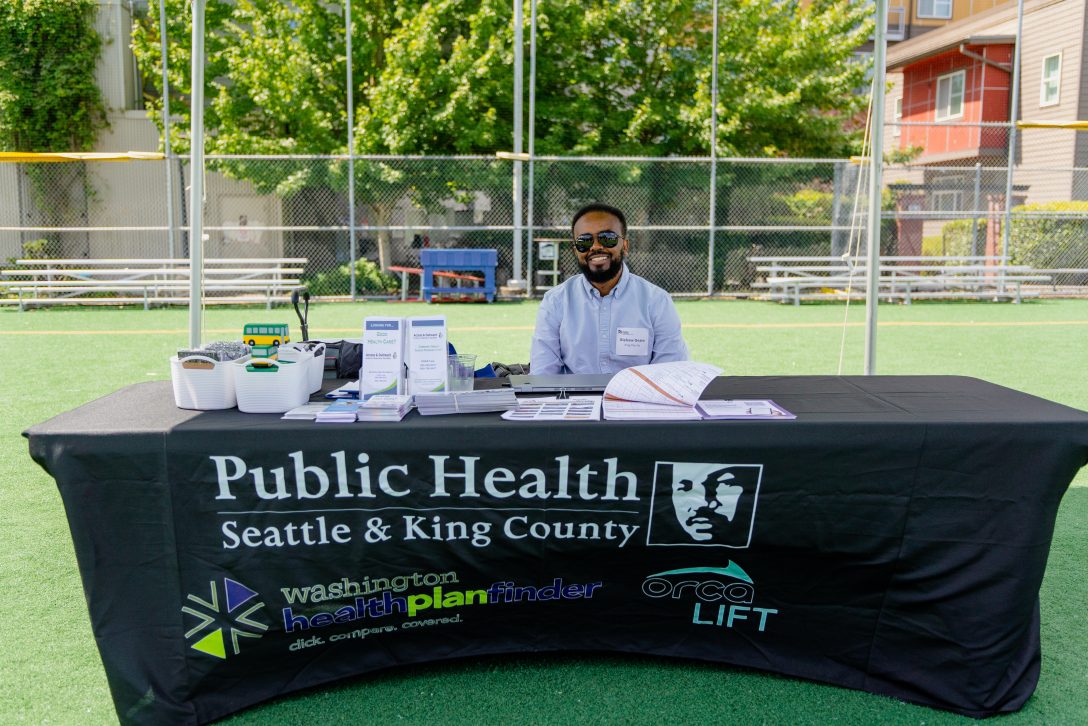
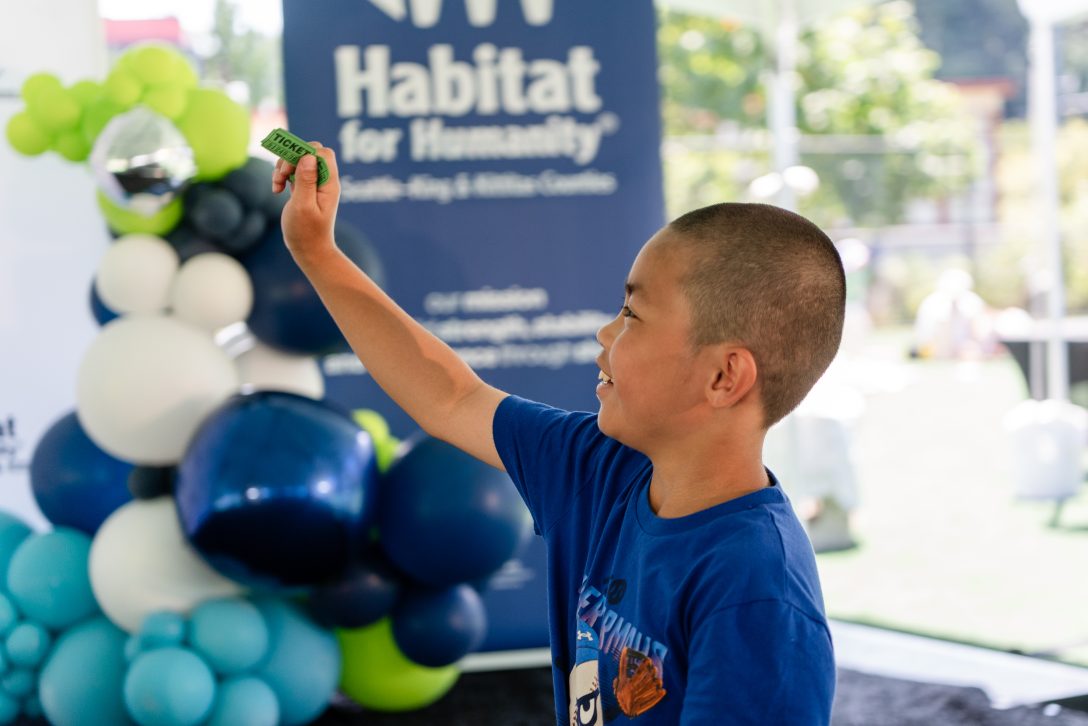
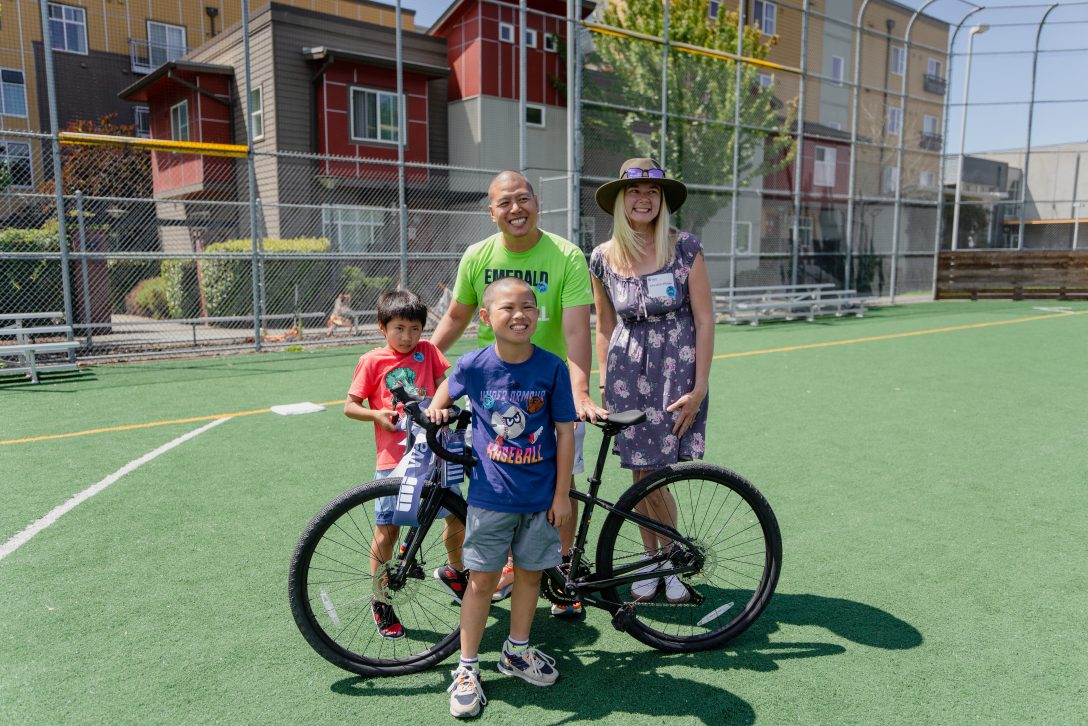
The event gave guests the opportunity to mingle with fellow Habitat supporters, volunteers, and staff over an ice cream bar, lawn games, and a community resource fair. They also had the chance to visit Liberty Commons to tour model units. The building’s five stories of condominiums include five studios, 26 one-bedroom units, and 27 two-bedroom units. The building also includes a 2,000 square-foot outdoor courtyard designed to give residents a space to gather as a community. 

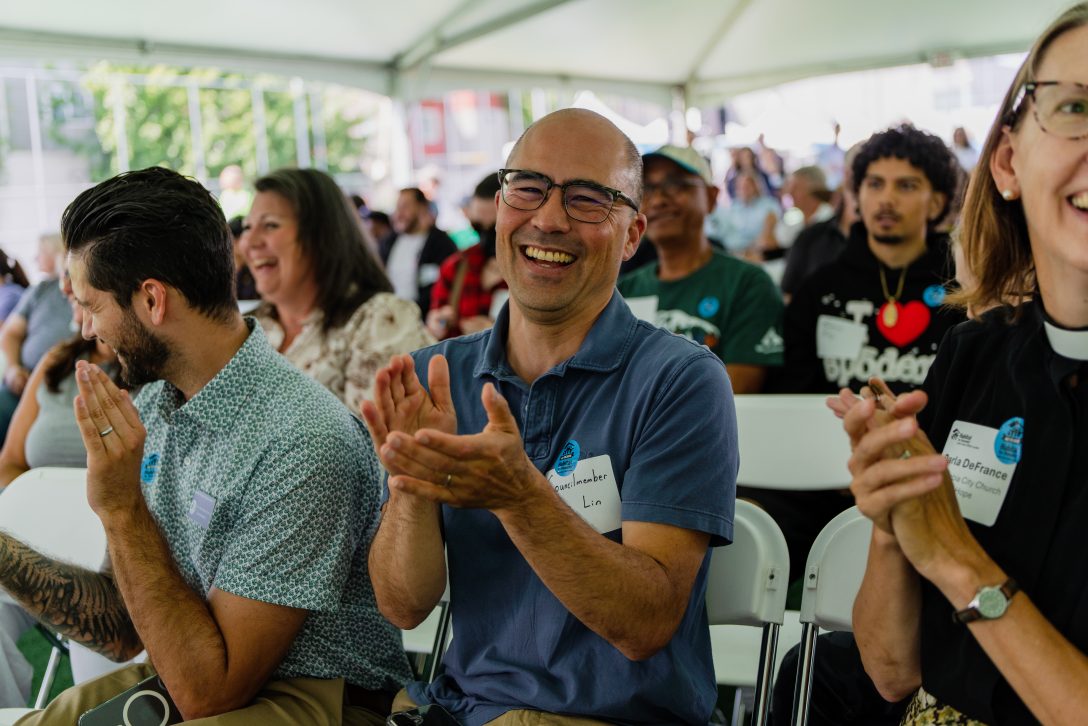
Another important feature of the building is its proximity to public transportation. Multiple speakers at the dedication highlighted this benefit, including Eddie Lin, Seattle City Council Member, District 2, who pointed out that “the second most expensive piece of a family’s budget is transportation.” Liberty Commons, Lin noted, will give residents a walkable life and help the environment at the same time. 
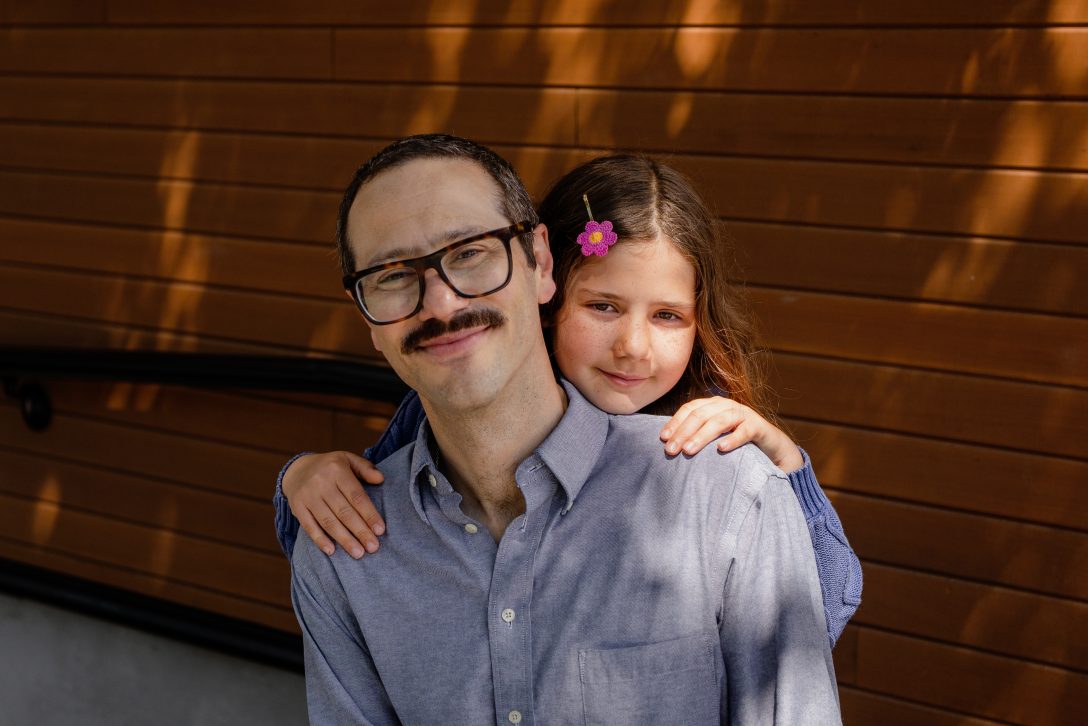
New Habitat homeowner Martin S. closed out the program with a touching tribute to the Columbia City neighborhood he already calls home as a renter and will now find permanence in as a homeowner: “I am elated and deeply, deeply grateful to say that my daughter, Helen, and I will be homeowners at Liberty Commons. Let me take a moment to tell you why this home means so much to us. My daughter/roommate and I have lived in this neighborhood since she was only a couple of months old. Her grandmother and her mother live here. She goes to our neighborhood school, does rec classes at Rainier Community Center, and runs wild with her friends every Wednesday from May to October at the Columbia City Farmers Market. This neighborhood is part of us.” 

Now, Martin, Helen, and all the new homeowners at Liberty Commons are a part of this neighborhood.

Service Spotlight: Ellensburg Rotary Club

The Ellensburg Morning Rotary Club members view their role in the community as centered on “service above self,” says Ginny, Co-Chair of the Literacy Committee. The literacy committee is one of the many service activities the Morning Rotary Club performs as a means to strengthen the local community.  

The committee supports literacy across different age groups, including pre-readers. It does this by sponsoring a summer bookmobile that serves neighborhoods and maintains 15 little free libraries around town. Members of the committee act as volunteer librarians, stocking the libraries with donated or low-cost books and ensuring they include both English and Spanish materials to serve the whole community. 

One of the key activities they lead is providing bookcases and books for new Habitat SKKC homeowners moving into Habitat homes in Ellensburg. The donation of bookshelves and books was begun 15 years ago by former club president and original Chair of the Literacy Committee, Judy Backlund. Since launching the program, the Rotary has placed books in 20 homes. The committee surveys new homeowners, assembles a collection of books based on their interests, and places a bookcase stocked with those books into each home before the homeowners move in. The club has completed this effort for all homes at Stuart Meadows and plans to do it again later this summer for the next phase of completed homes. 

Rotary members also interact with Habitat SKKC beyond their donations. They attend home dedications and have also helped direct donations to the local Habitat Store. 

The Ellensburg Morning Rotary Club organization views affordable housing as essential to creating a strong and healthy community, aligning with its broader mission. The Ellensburg Morning Rotary Club frequently partners with other local organizations, including the food bank and arts groups, to support community needs. The members see themselves as helpers who make the community stronger. 
Demystifying Home Repairs

While Habitat SKKC began as an affordable housing builder, in the early 2000s, we expanded our efforts to serve more people in our community by adding affordable home repairs to our offering. Since those early efforts, the program has grown significantly. Today, we have been completed more than 700 repairs!  

While our general application is temporarily closed (check our website to find out when we reopen for new applicants), we are actively seeking veterans in need of critical home repairs and seniors in Kittitas County looking to enroll in the Aging in Place program. 

Whether you fit the criteria mentioned above or want to plan ahead for future repairs, below are answers to some of the most common questions about affordable home repairs that Habitat SKKC offers. 

Who qualifies for Habitat SKKC repairs? 

Repairs are available to homeowners, including non-Habitat, who qualify based on income, location, and willingness to partner. To qualify, applicants must: 

  • Make a total household income that is 80% or less than the area median income. 
  • Own and occupy the home for a minimum of one year. 
  • Live in one of the following areas in Washington state: 
  • Bryn Mawr-Skyway 
  • Central District, Seattle 
  • Federal Way 
  • Glendale 
  • Kittitas County 
  • Renton 
  • South Seattle 
  • White Center 
  • Be able to pay: 
  • Minor Home Repair projects are subject to a one-time $50 application fee. 
  • Critical Home Repair projects may be subject to a deferred loan that will be secured with a recorded Deed of Trust (the owner will be made aware prior to signing the agreement if a Deed of Trust is needed to ensure clarity at all points of the project). If you have a reverse mortgage or you live in a manufactured home built after 1976 that is not on property you own, you may be eligible for a grant in lieu of the deferred loan. A $100 program fee may apply. 
  • Both of our Aging in Place programs are completely free; they are not subject to any repayment from the clients serviced. 
  • Have proof of current homeowners’ insurance. 
  • Agree to partner with Habitat SKKC by contributing volunteer hours and completing a home maintenance class provided by Habitat SKKC. 

What kind of repairs does Habitat SKKC offer? 

From painting to roof replacement, repairs range from basic to critical.   

Basic home repairs include: 

  • Gutter Cleaning 
  • Siding Cleaning 
  • Moss, brush, and debris removal 
  • Fence replacement/repair 
  • Walkway repair 
  • Handrail installation 
  • Accessibility modifications 

Critical home repairs include: 

  • Repair or replacement of roofs, gutters, and siding 
  • Exterior paint 
  • Steps, ramps, decks, railings, fences and retaining walls 
  • Walkways and Driveways 
  • Exterior/Interior Doors 
  • Electrical, Plumbing and Heating Repairs 
  • Other repairs as needed, concerning preservation of the home 

How long does it take to complete a repair? 

The application process for Critical Home Repairs can take 2-8 months. Work schedules are based on several criteria including weather, urgency, scope of work, and the construction schedule. Applicants are contacted in a timely manner as to the status and next steps for their repair project. 

Do you have any assistance programs? 

Yes! CAPABLE is a free nationwide program developed by Johns Hopkins to help older adults remain in their homes. Selected participants enroll in a 4–6-month program that includes in-home visits from an occupational therapist, registered nurse, and a handy person. Their work is focused on preparing older adults to age safely in their home through low-cost modifications.      
In Kittitas County, our Aging in Place program serves seniors 62 and over and/or homeowners of any age with disabling conditions such as mobility issues or sensory impairments. The program includes a complete home assessment that evaluates how the home supports the lifestyle of the owner (and occupants) and identifies improvements to make the home safer and more comfortable. These programs are entirely free. 

By providing essential repairs to homeowners that improve safety and prevent displacement, we not only build affordable housing; we preserve it. To learn more about the Repair Program and to apply, click here.